
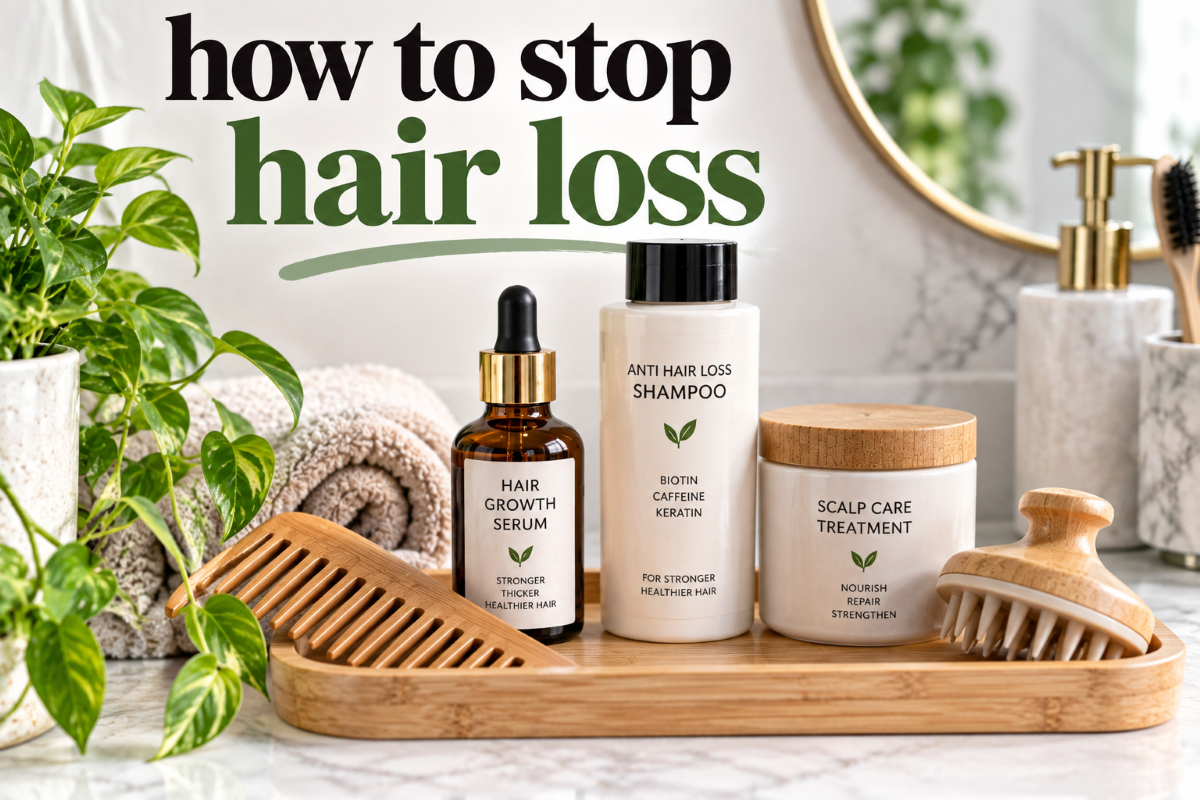
Finding clumps of hair on your pillow or watching your part get wider in the mirror is unsettling, and honestly, most advice out there doesn’t help much. If you’re trying to figure out how to stop hair loss, the short answer is this: identify what’s actually causing it, treat your scalp like the foundation it is, and be consistent with a handful of habits that are backed by real research — not miracle serums.
There isn’t one single fix, because hair loss rarely has one single cause. But the fifteen tips below cover the ground that actually matters: nutrition, scalp care, stress, styling habits, and knowing when it’s time to bring in a professional. Let’s get into it.
How to Fix Hair Damaged by Heat: A Stronger Hair
Bleach Damaged Your Hair? 10 Simple Ways to Fix Dryness, Breakage & Frizz
Why Is Your Hair Falling Out? Understanding the Causes
Before you can stop hair loss, it helps to know what’s driving it. Some shedding is completely normal — you lose somewhere between 50 and 100 hairs a day just from your natural growth cycle. It’s when that shedding becomes noticeable, or you see thinning at the crown or a receding hairline, that something else is likely going on.
Common Triggers Behind Hair Thinning
- Genetics — pattern hair loss (androgenetic alopecia) is the most common cause in both men and women, and it’s largely inherited.
- Hormonal shifts — pregnancy, postpartum changes, menopause, and thyroid issues can all trigger temporary or ongoing shedding.
- Stress and illness — a condition called telogen effluvium pushes hair into the shedding phase early after a stressful event, surgery, or illness.
- Nutrient deficiencies — low iron, vitamin D, or protein intake can weaken hair over time.
- Harsh styling habits — tight hairstyles, excessive heat, and over-processing all take a toll.
Tip 1: Track your shedding pattern. Is it all over, or concentrated at the crown or hairline? This alone gives you and your doctor a big clue about the likely cause.
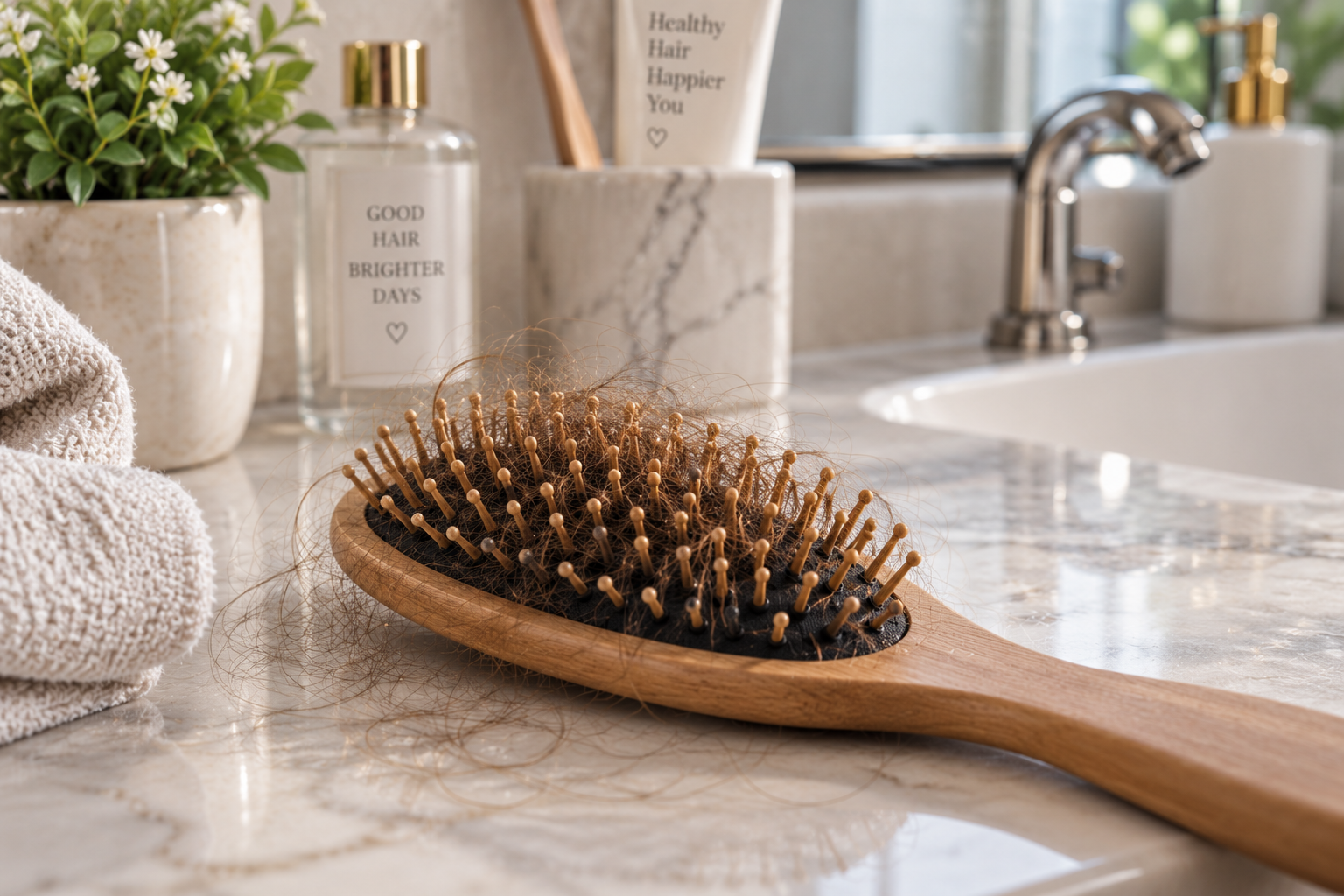
Nutrition Tips to Stop Hair Loss From the Inside Out
Your hair is basically a reflection of what’s going on inside your body, and honestly, this is the piece people skip most often because it’s less exciting than a new product. But diet genuinely matters here.
Nutrients Your Hair Actually Needs
- Protein — hair is made of keratin, a protein, so a diet too low in protein can lead to weaker strands and slower growth.
- Iron — low iron levels are strongly linked to hair shedding, especially in women.
- Biotin and B vitamins — support the hair growth cycle, though deficiency is the main scenario where supplementing actually helps.
- Omega-3 fatty acids — found in salmon, walnuts, and flaxseed, these support scalp health and hydration.
- Zinc — plays a role in hair tissue growth and repair.
Tip 2: Get a blood test before you start supplementing. Throwing random vitamins at the problem isn’t a strategy — knowing your actual levels is.
Tip 3: Add more protein at breakfast. Eggs, Greek yogurt, or a protein smoothie in the morning gives your body the building blocks it needs early in the day.
Tip 4: Don’t fall for restrictive crash diets. Sudden, extreme calorie cuts are one of the most common triggers for temporary shedding a few months later.

Scalp Care Habits That Make a Real Difference
Here’s the thing — a lot of people focus entirely on the hair itself and completely ignore the scalp, which is actually where the whole process starts. Healthy hair grows from a healthy scalp, full stop.
Building a Better Scalp Routine
Tip 5: Massage your scalp for a few minutes daily. This is one of the few low-cost habits with genuine research behind it — regular scalp massage has been shown to improve hair thickness over time by stimulating blood flow to the follicles.
Tip 6: Don’t wash your hair too often or too rarely. Over-washing can strip natural oils and irritate the scalp, while under-washing lets product buildup clog follicles. Two to three times a week is a reasonable middle ground for most people.
Tip 7: Use a gentle, sulfate-free shampoo. Harsh sulfates can dry out the scalp and leave hair more prone to breakage, especially if you’re already dealing with thinning.
Tip 8: Exfoliate your scalp occasionally. A scalp scrub once every week or two removes buildup and dead skin, giving new hair an easier path to grow.

Lifestyle and Stress Management for Hair Growth
Stress doesn’t just make you feel awful — it can physically push your hair follicles into a resting phase, and a few months later, you notice the shedding. If you’re dealing with chronic stress right now, that might genuinely be a bigger factor than any product on your shelf.
Small Changes That Add Up
Tip 9: Prioritize actual sleep, not just hours in bed. Poor sleep quality raises cortisol, and elevated cortisol is directly linked to increased shedding.
Tip 10: Build in real stress relief, not just “self-care” buzzwords. Whether that’s therapy, exercise, journaling, or time outdoors, find something that consistently lowers your stress levels rather than just distracting you for twenty minutes.
Tip 11: Cut back on tight hairstyles. Tight ponytails, braids, and buns worn constantly can cause traction alopecia, a type of hair loss caused by continuous pulling on the follicle.
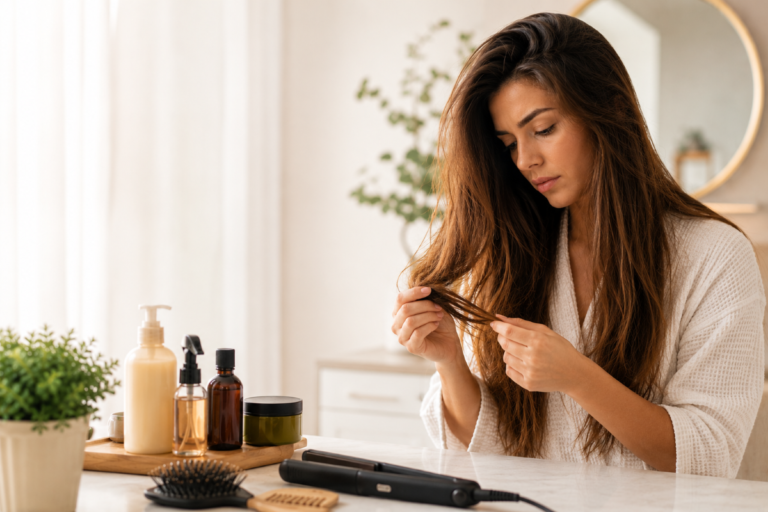
Tip 12: Reduce heat styling frequency. Daily blow-drying, straightening, or curling weakens the hair shaft over time, making strands more likely to break before they even reach their full length.

Treatments and Products That Actually Work
This is the part everyone wants to skip to, and I get it. But it’s worth saying clearly: most trendy hair growth products don’t have strong evidence behind them. A handful actually do.
What the Research Actually Supports
Tip 13: Consider minoxidil (Rogaine) for pattern hair loss. It’s one of the few over-the-counter treatments with solid clinical backing for slowing hair loss and encouraging regrowth, though it needs consistent, ongoing use to maintain results.
Tip 14: Look into low-level laser therapy (LLLT) devices. Some studies show modest improvements in hair density with regular use of laser combs or caps, though results vary and they’re a bigger investment.
Tip 15: Ask your doctor about prescription options if OTC treatments aren’t enough. Depending on the cause, a dermatologist might discuss options like finasteride or other treatments suited to your specific situation.
Comparison: Common Hair Loss Treatments
| Treatment | Best For | Time to See Results | Maintenance Level |
|---|---|---|---|
| Minoxidil (topical) | Pattern hair loss (both genders) | 4-6 months | Ongoing, daily use required |
| Scalp massage | General thinning, circulation support | 8-12 weeks | Low, a few minutes daily |
| Low-level laser therapy | Mild to moderate thinning | 3-6 months | Medium, several sessions weekly |
| Dietary changes | Nutrient-deficiency related shedding | 3-6 months | Low, ongoing habit |
| Prescription treatments | Diagnosed pattern hair loss | Varies by treatment | Requires doctor supervision |

Common Mistakes That Make Hair Loss Worse
Even with good intentions, it’s easy to accidentally undo your progress. A few mistakes come up again and again.
- Switching products too often. Most treatments, especially minoxidil, take months to show results — jumping ship after three weeks means you never actually give anything a fair shot.
- Brushing wet hair aggressively. Hair is at its weakest when wet, so rough brushing right out of the shower causes unnecessary breakage.
- Ignoring the scalp entirely. Piling on hair products while skipping scalp care is like fertilizing the leaves of a plant and ignoring the roots.
- Self-diagnosing without a professional opinion. Hair loss has a lot of possible causes, and guessing wrong wastes time you could’ve spent on the right treatment.
Frequently Asked Questions
How can I stop hair loss naturally?
Focus on the basics that actually move the needle: a protein and iron-rich diet, regular scalp massage, gentler styling habits, and consistent stress management. These won’t fix every cause of hair loss, but they address the most common contributing factors.
How long does it take to see results after starting a hair loss treatment?
Most treatments, including minoxidil and dietary changes, take three to six months before you notice a real difference, since hair growth happens in slow cycles. Patience matters more than people expect.
Can stress really cause hair loss?
Yes. Significant stress can trigger a condition called telogen effluvium, which pushes hair follicles into the shedding phase earlier than normal, usually showing up two to three months after the stressful event.
Is hair loss reversible?
It depends on the cause. Hair loss from stress, nutrient deficiency, or temporary hormonal shifts is often reversible once the underlying issue is addressed, while genetic pattern hair loss can typically be slowed or managed but not fully reversed without ongoing treatment.
When should I see a doctor about hair loss?
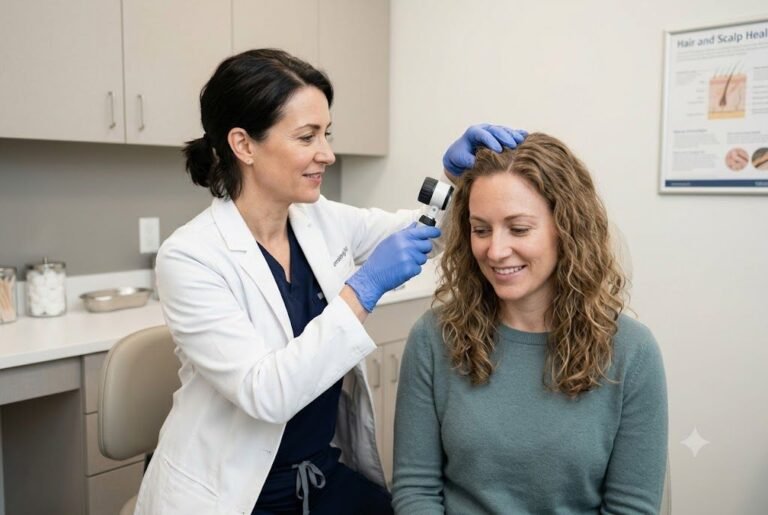
If you notice sudden, patchy, or rapidly progressing hair loss, or shedding that doesn’t improve after a few months of consistent care, it’s worth seeing a dermatologist. They can run tests to rule out thyroid issues, deficiencies, or other underlying causes.
Hair loss is frustrating, and there’s no single tip on this list that’s going to fix it overnight. But stacking a few of these habits together — eating enough protein, giving your scalp actual attention, managing stress, and being patient with treatments that need time to work — genuinely adds up. Start with one or two changes this week rather than trying to overhaul everything at once, and give your hair the months it actually needs to show you a difference.


3 Comments