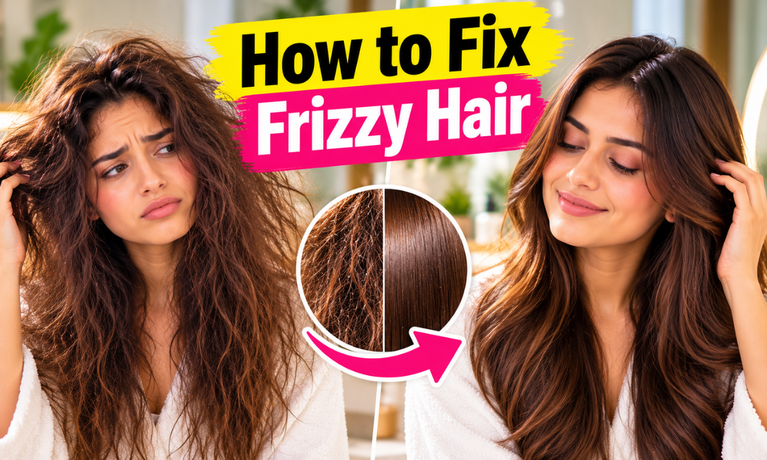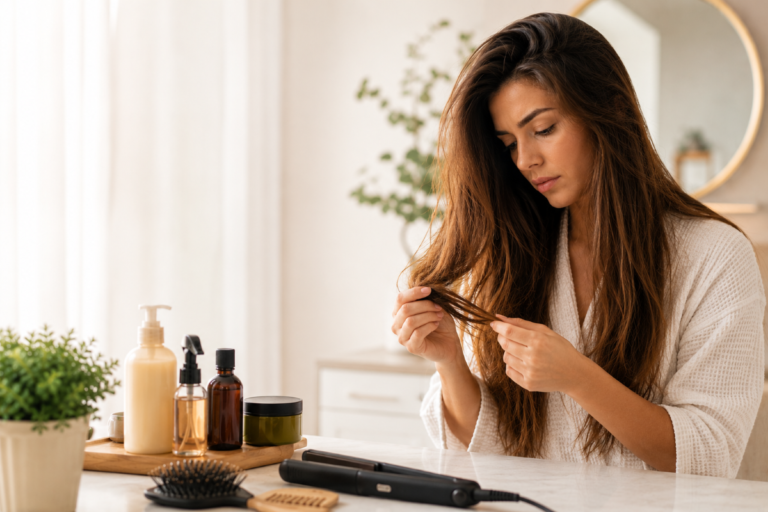
I have spent enough time testing routines, reading about hair structure, and going through my own dry, frizzy phases to know one thing for sure. Fixing damaged hair is less about finding one miracle product and more about changing a few daily habits.
If your hair feels rough, looks dull, tangles easily, or snaps when you brush it, you are dealing with some level of damage. The good news is that most of this is manageable. The first step is understanding what damage actually looks like and why it happens.
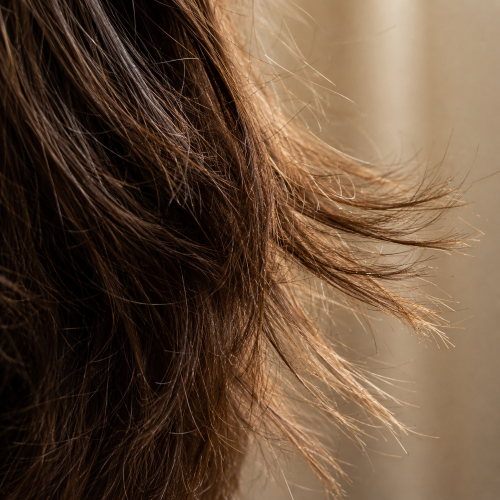
Common signs of damaged hair:
- Dryness that does not go away with regular conditioner
- Rough or straw like texture
- Split ends
- Excessive frizz, especially in humidity
- Breakage when brushing or styling
- Dull, light reflecting less than it used to
- Tangling that gets worse over time
- Loss of natural softness
Not every damaged hair problem needs a haircut. Some of it can be improved with the right care. In this guide, I am going to walk through how to find the cause, what can realistically be fixed, and how to build a routine you can actually stick to.
1. First, Find Out What Is Damaging Your Hair
Before jumping into fixes, it helps to know what is actually causing the damage. Most of the time, it is not one single thing. It is a combination of habits that build up over months.
Common causes of hair damage:
- Frequent heat styling
- Hair coloring and bleaching
- Chemical straightening or relaxing
- Excessive sun exposure
- Chlorine and salt water
- Rough towel drying
- Brushing wet hair aggressively
- Tight hairstyles
- Washing hair too frequently
- Using harsh or unsuitable products
- Skipping conditioner
- Repeated friction from pillows, clothes, and accessories
My honest tip here is to not try to fix everything at once. Pick the habit that is doing the most damage and start there. If you straighten your hair daily, that is probably your biggest culprit. If you color every six weeks, that might be it.
2. Can Damaged Hair Actually Be Repaired?
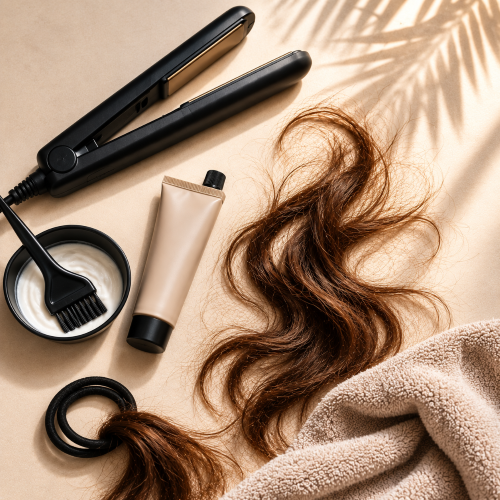
This is where I want to be honest instead of making promises that do not hold up. Hair itself is not living tissue once it grows out of the scalp, so severely damaged strands cannot become brand new again.
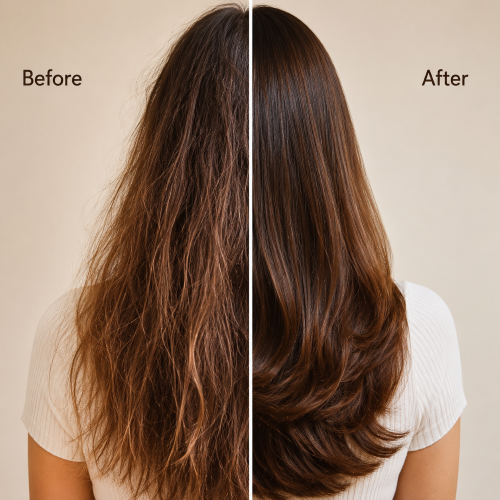
What you can do is improve how your hair looks and feels. Softness, manageability, shine, and strength can all get noticeably better with the right care. And any new hair that grows in can stay healthier if you reduce the habits that caused the damage in the first place.
I like to think of it like a worn piece of fabric. You cannot turn frayed fabric back into new fabric, but you can care for it, protect it from more wear, and trim the parts that are beyond saving.
3. Stop the Damage Before Trying to Fix It
This is the most practical section, and honestly the one most people skip because they want to jump straight to products.
Start with these changes:
- Cut back on straighteners and curling irons
- Avoid unnecessary bleaching
- Space out chemical treatments
- Stop pulling or tightly tying your hair
- Use lower heat when styling is necessary
- Protect hair from long sun exposure
- Rinse hair after swimming
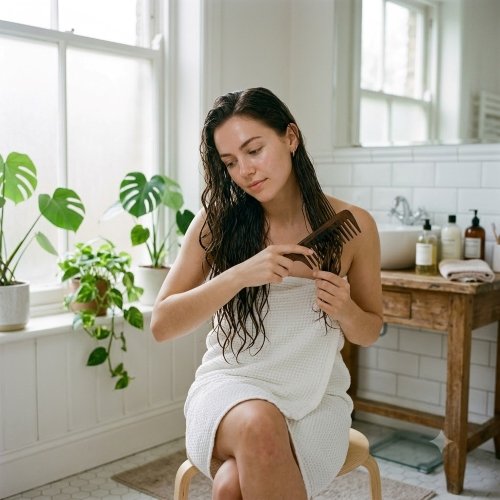
- Handle wet hair gently
The damage control order that actually works:
Stop causing new damage, then protect the hair you have, then improve moisture and conditioning, then trim the ends that are too far gone, then stick with the routine.
4. Change the Way You Wash Your Hair
A lot of people spend money on treatments while their actual washing routine is working against them.
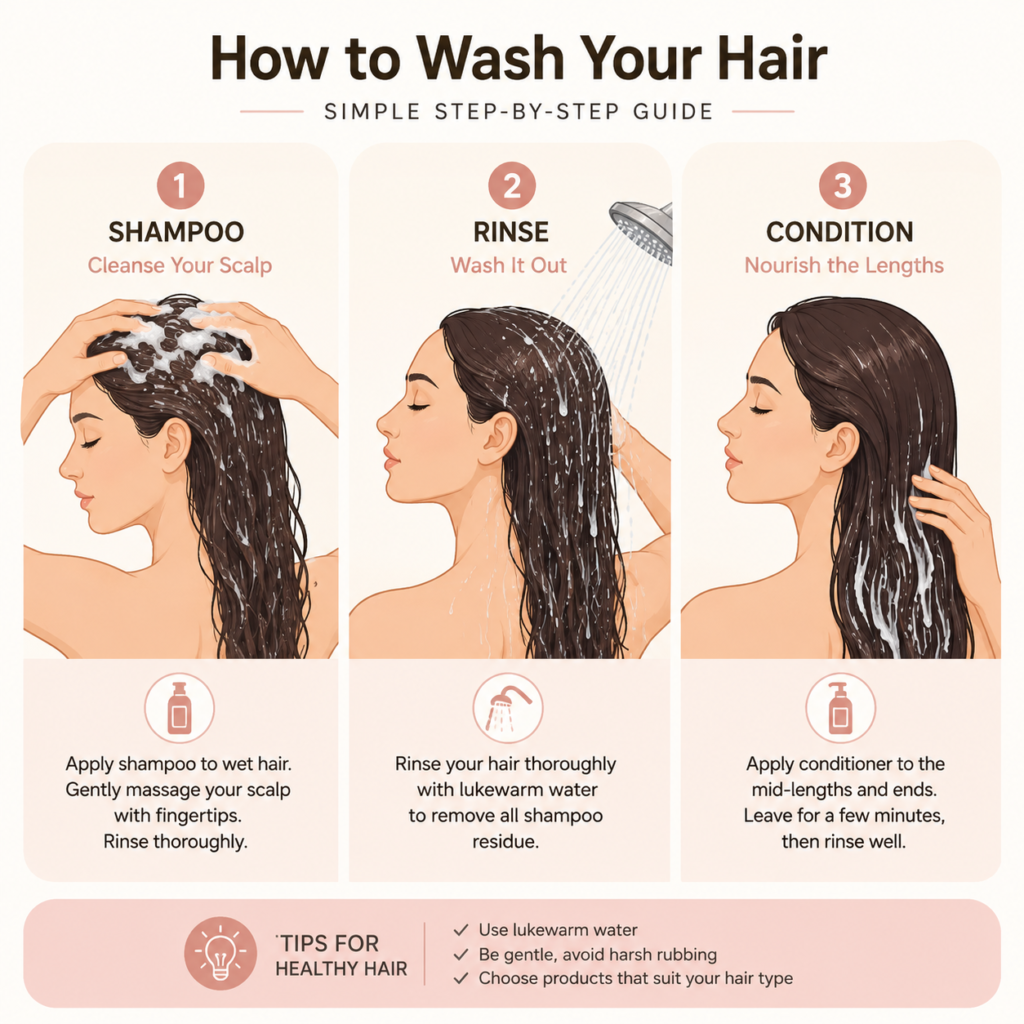
Step by step washing routine:
- Wet hair thoroughly
- Apply shampoo mainly to the scalp
- Massage gently with your fingertips
- Avoid scrubbing the lengths
- Rinse thoroughly
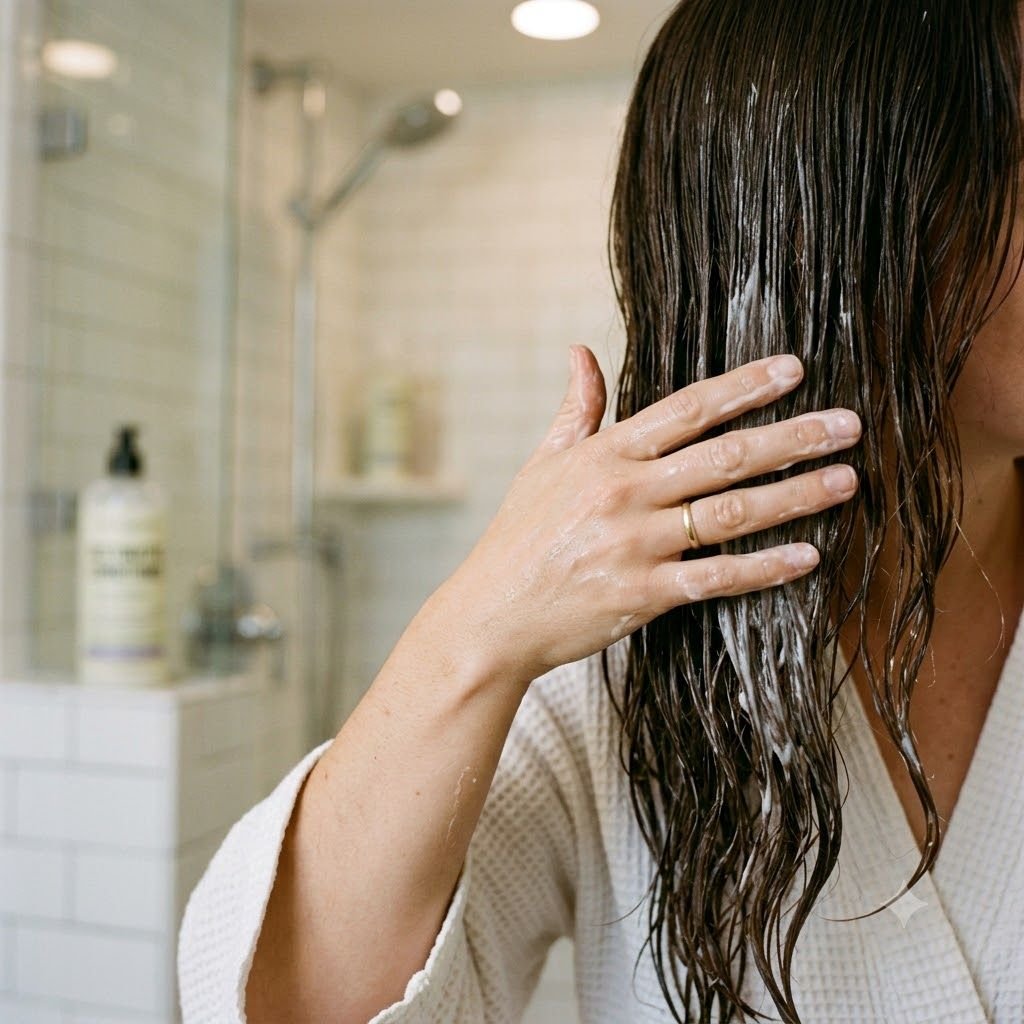
- Apply conditioner to mid lengths and ends
- Leave it on for the time the product recommends
- Rinse without twisting or pulling
What to avoid:
- Very hot water
- Aggressive scrubbing
- Using too much shampoo
- Skipping conditioner
- Roughly squeezing or twisting wet hair
5. Use Conditioner Every Time You Wash
Conditioner is not optional if your hair is damaged. It is doing more work than most people realize.
What conditioner can help with:
- Better detangling
- Less friction between strands
- A softer feel
- Reduced frizz
- Easier combing
- Better overall manageability
How to apply it properly:
Focus on the mid lengths and ends rather than the scalp, unless the product is made for scalp use. Let it sit for the time listed on the bottle, then rinse gently instead of pulling your fingers through quickly.
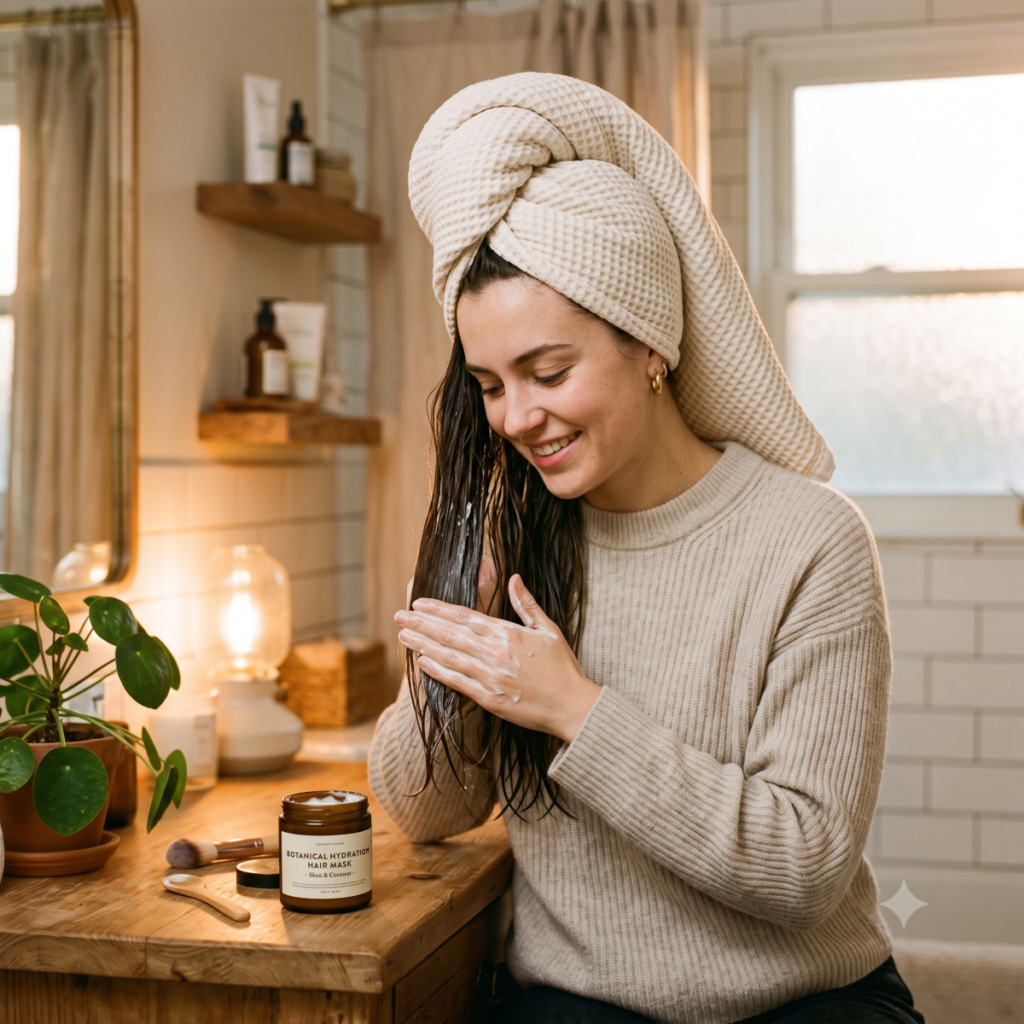
6. Add a Deep Conditioning Treatment
Regular conditioner is good for maintenance, but damaged hair often needs something more intensive once or twice a week.
A simple routine:
- Use a deep conditioning treatment periodically
- Apply mainly to lengths and ends
- Follow the product instructions
- Do not assume leaving it on for hours automatically makes it work better
Who benefits most from this step:
- Dry hair
- Frizzy hair
- Heat damaged hair
- Chemically treated hair
- Hair that tangles easily
7. Understand Moisture vs Protein
This is one of the most confusing parts of hair care, so I want to keep it simple.
| Hair Concern | What It Usually Needs |
|---|---|
| Dry, rough, stiff, hard to manage | Moisture focused care |
| Chemically processed, bleached, prone to breakage | Protein focused care |
| Feels stiff or brittle after treatments | Less protein, more moisture |
| Feels limp or gummy when wet | Less moisture, more protein balance |
More protein is not automatically better. Hair reacts differently to different ingredients, and using too many strengthening treatments can leave hair feeling stiff instead of soft. Pay attention to how your hair responds and adjust from there.
8. Be Careful With Heat Styling
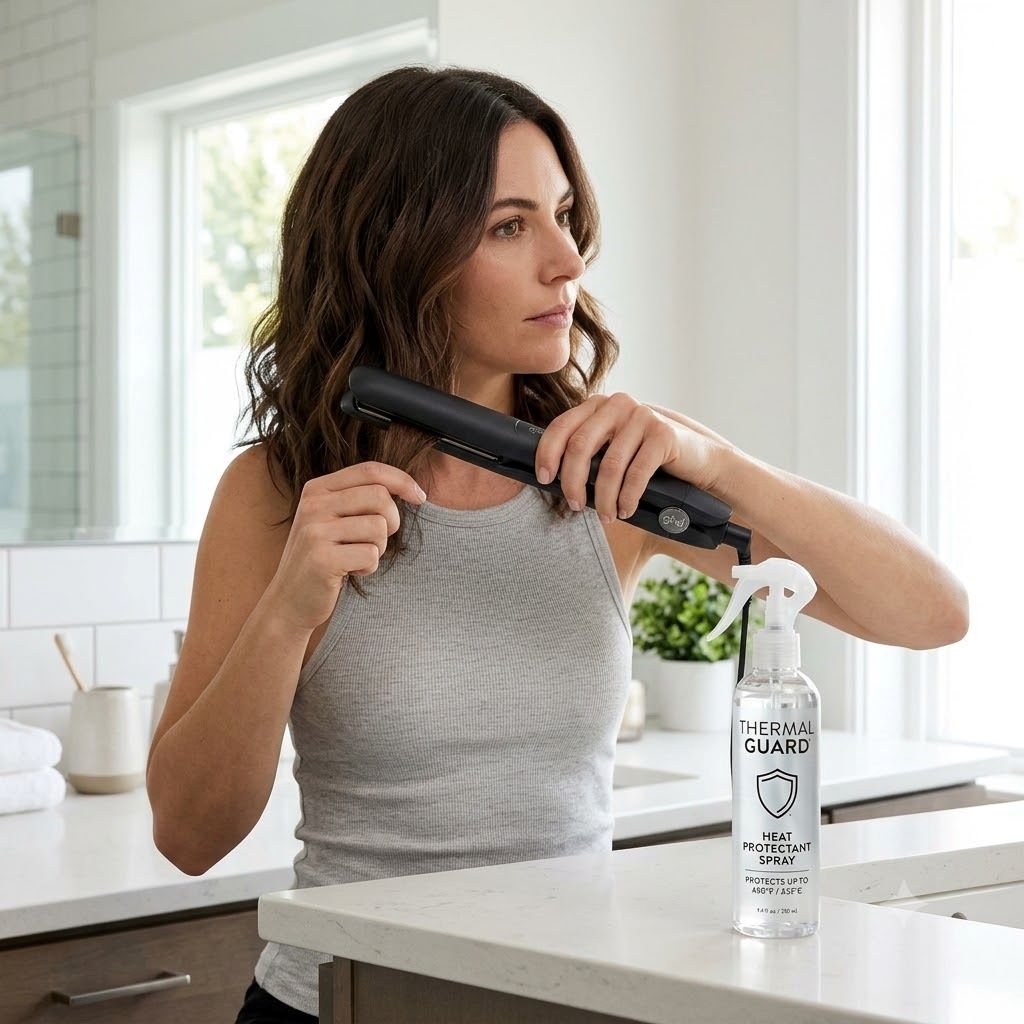
Repeated high heat is one of the fastest ways to make dryness, weakness, and breakage worse.
If you still need to use heat:
- Always use a heat protectant
- Keep the temperature as low as practical
- Avoid passing the tool over the same section repeatedly
- Make sure hair is prepared according to the tool instructions
- Give your hair regular breaks from heat
My rule of thumb is that heat styling should be occasional, not something your hair has to survive every single day.
9. Learn How to Dry Hair Without Creating More Damage
Avoid these habits:
- Rubbing hair aggressively with a towel
- Twisting hair tightly
- Pulling on wet strands
- Brushing through tangles while soaking wet
A better approach:
Gently squeeze out excess water, use a soft towel or microfiber towel, detangle carefully before drying, and let hair air dry when you have the time. If you use a dryer, keep the heat setting moderate and avoid holding it too close for too long.

10. Detangle Damaged Hair Carefully
Damaged hair breaks more easily during brushing, so the method matters as much as the tool.
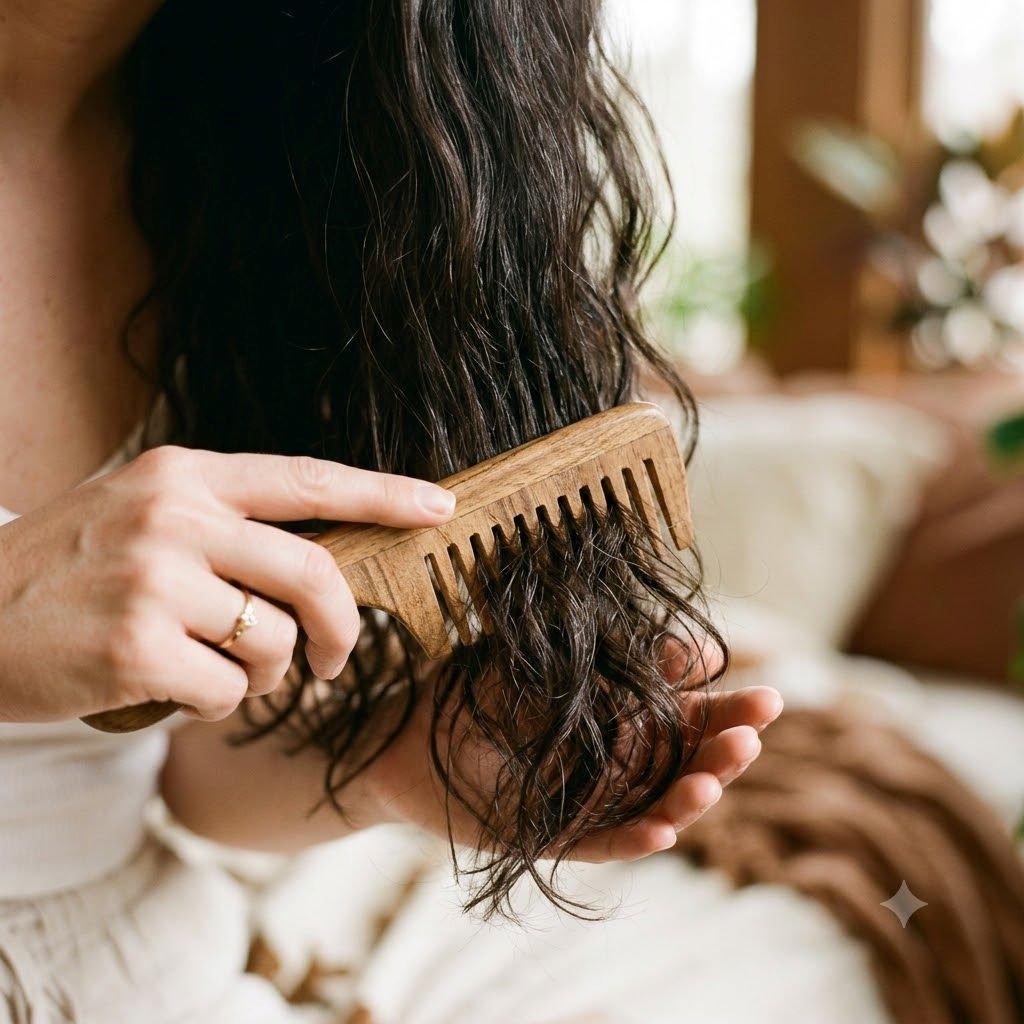
A better detangling method:
- Start from the ends
- Slowly work your way upward
- Hold hair near the roots to reduce pulling on the scalp
- Use a wide tooth comb or detangling brush
- Never force through a stubborn knot
If your hair is very tangled, applying a bit of conditioner or a detangling spray first can make the whole process easier and less painful.
11. Get Regular Trims for Split Ends
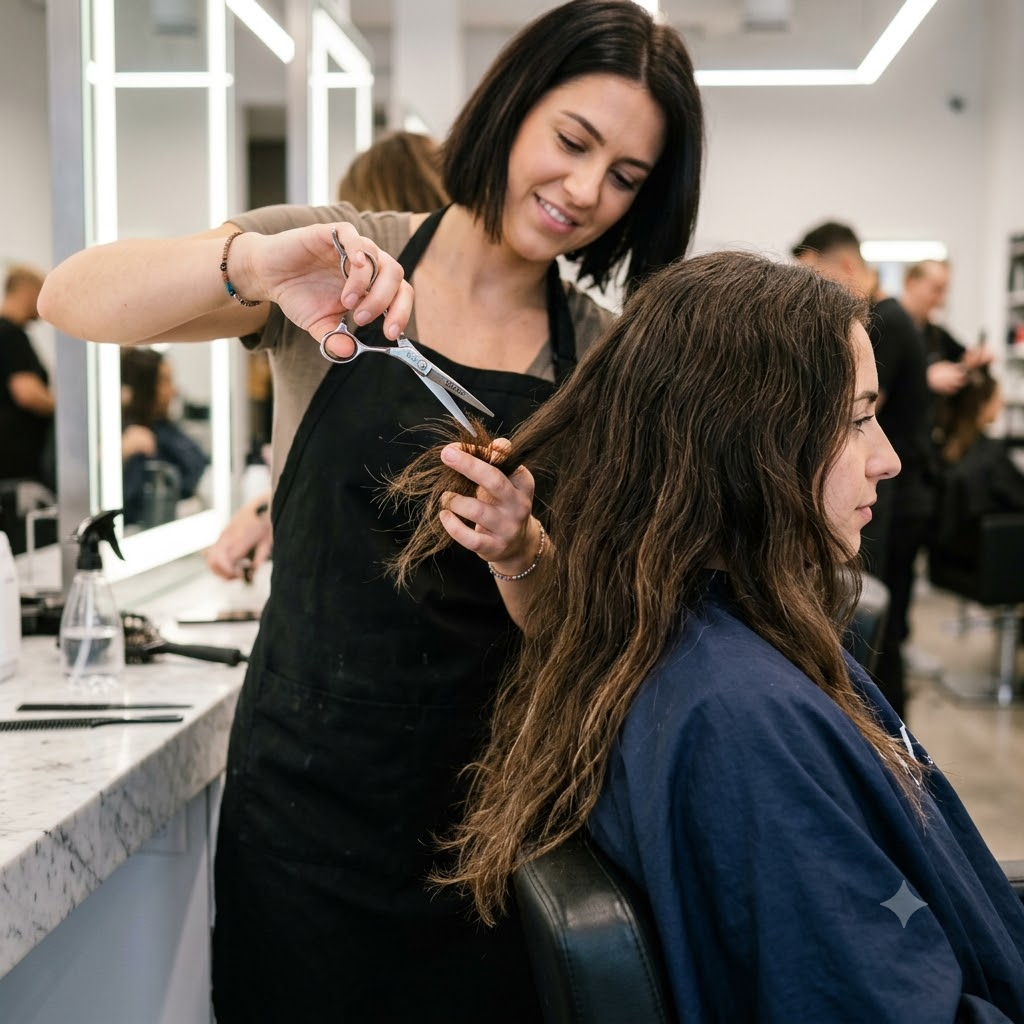
What trimming actually helps with:
- Removing visibly split or severely damaged ends
- Preventing worn ends from making hair look increasingly ragged
- Improving overall appearance
- Making hair easier to style and manage
What trimming does not do is repair damage further up the hair shaft. It only removes the part that is already too damaged to fix. That is still valuable, since it stops the damage from spreading upward.
12. Protect Your Hair While Sleeping
Nighttime friction adds up more than people expect, especially if you move a lot in your sleep.
Helpful nighttime habits:
- Avoid sleeping with soaking wet hair if it causes tangling
- Use a loose style instead of a tight elastic
- Consider a smooth pillowcase or a protective wrap
- Avoid tight styles that pull on the roots overnight

13. Protect Hair From the Sun, Pool, and Sea
Sun exposure:
Long periods in direct sun can leave hair feeling dry, rough, and faded.
Swimming:
Chlorinated and salt water can make already dry hair feel even worse if it sits on the strands too long.
Practical protection steps:
- Rinse hair with clean water after swimming
- Use a protective product before sun or water exposure
- Wear a hat during long outdoor days
- Do not let pool or sea water dry in your hair for hours

14. Be More Careful With Hair Color and Chemical Treatments
Treatments that can add up to damage:
- Bleaching
- Frequent permanent coloring
- Relaxing
- Chemical straightening
- Repeated high processing treatments
If you color your hair:
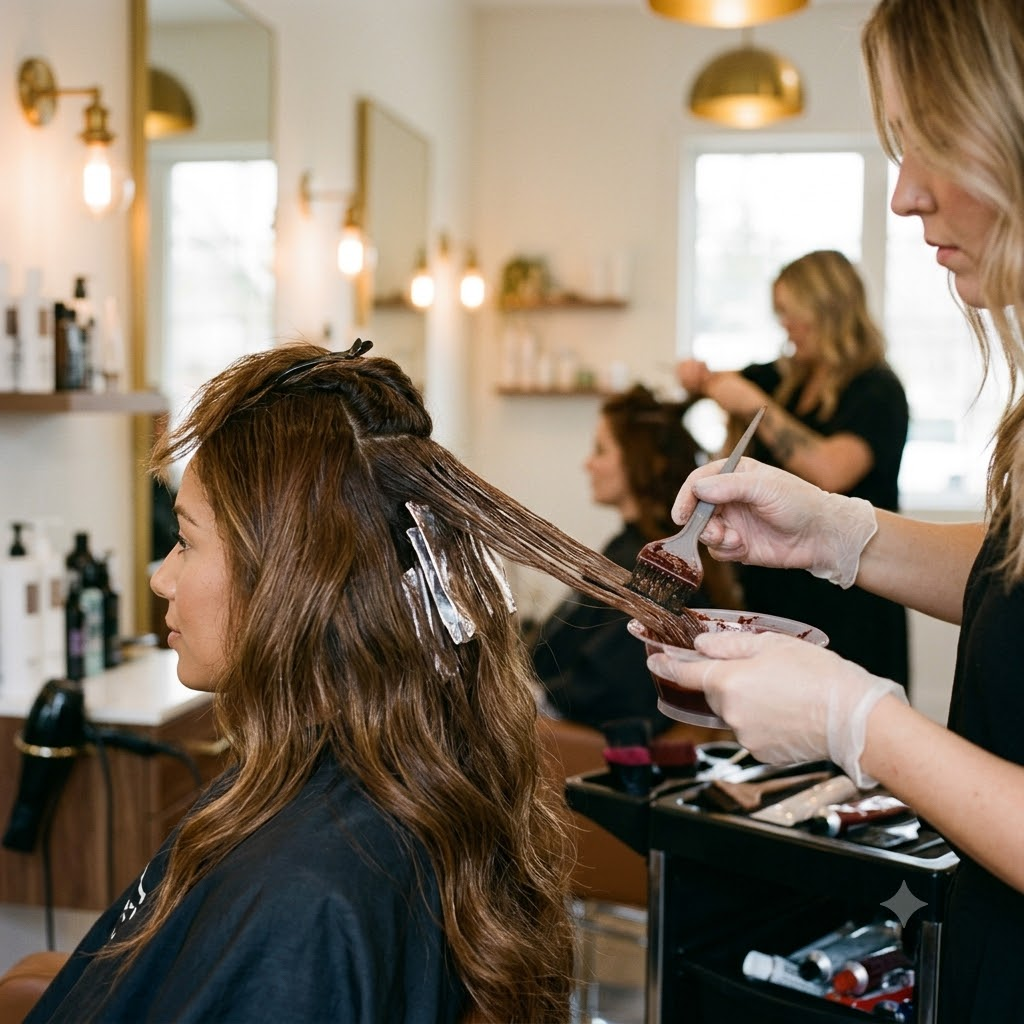
Give enough time between sessions, avoid reprocessing lengths that are already damaged, follow professional or product specific instructions, and get professional advice if your hair is severely compromised before your next appointment.
15. Choose Hair Products Based on Your Hair’s Condition
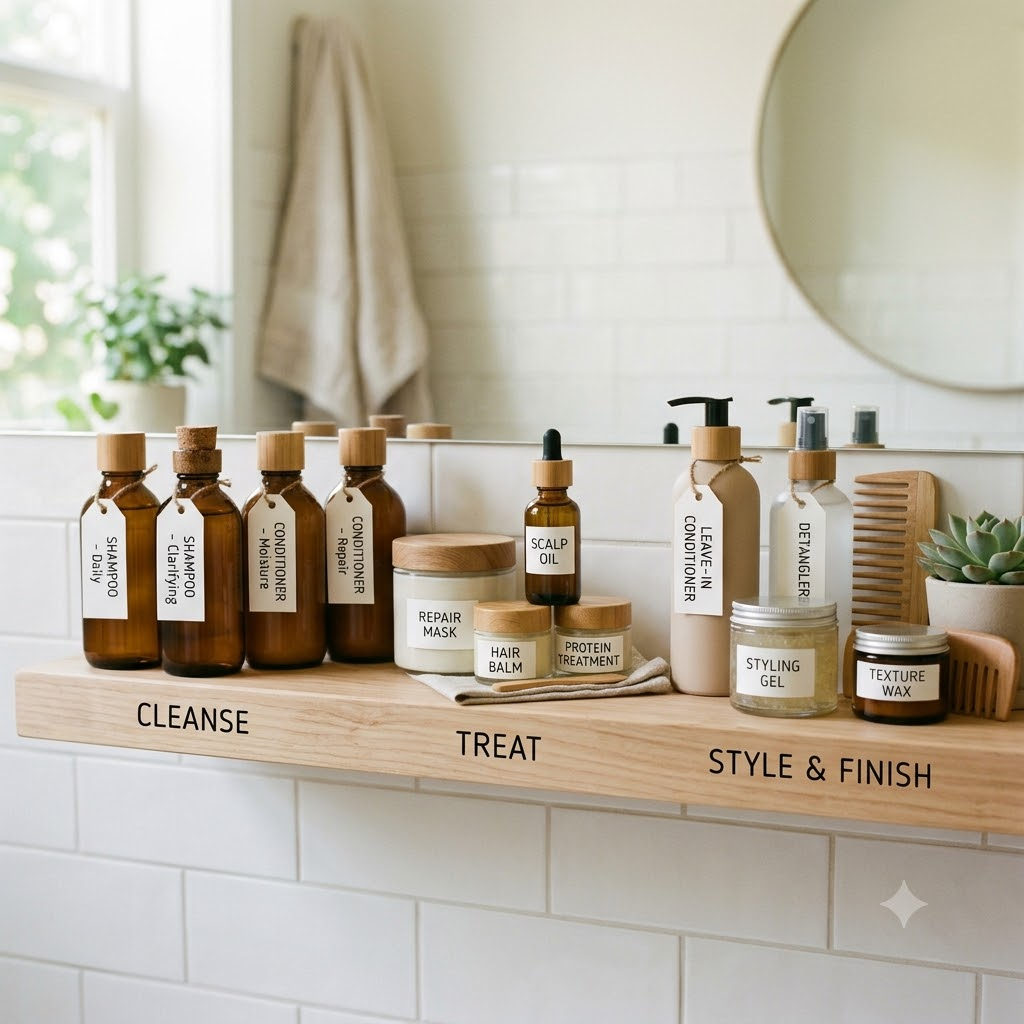
Instead of chasing a long list of products, it helps to know what to look for based on what your hair actually needs.
| Hair Type or Condition | Look For |
|---|---|
| Dry hair | Conditioning, moisture, frizz control formulas |
| Damaged or chemically treated hair | Strengthening, bond focused, conditioning treatments |
| Fine hair | Lightweight formulas, avoid heavy products |
| Curly or textured hair | Gentle cleansing, moisture retention, detangling support |
16. What About Home Remedies for Damaged Hair?
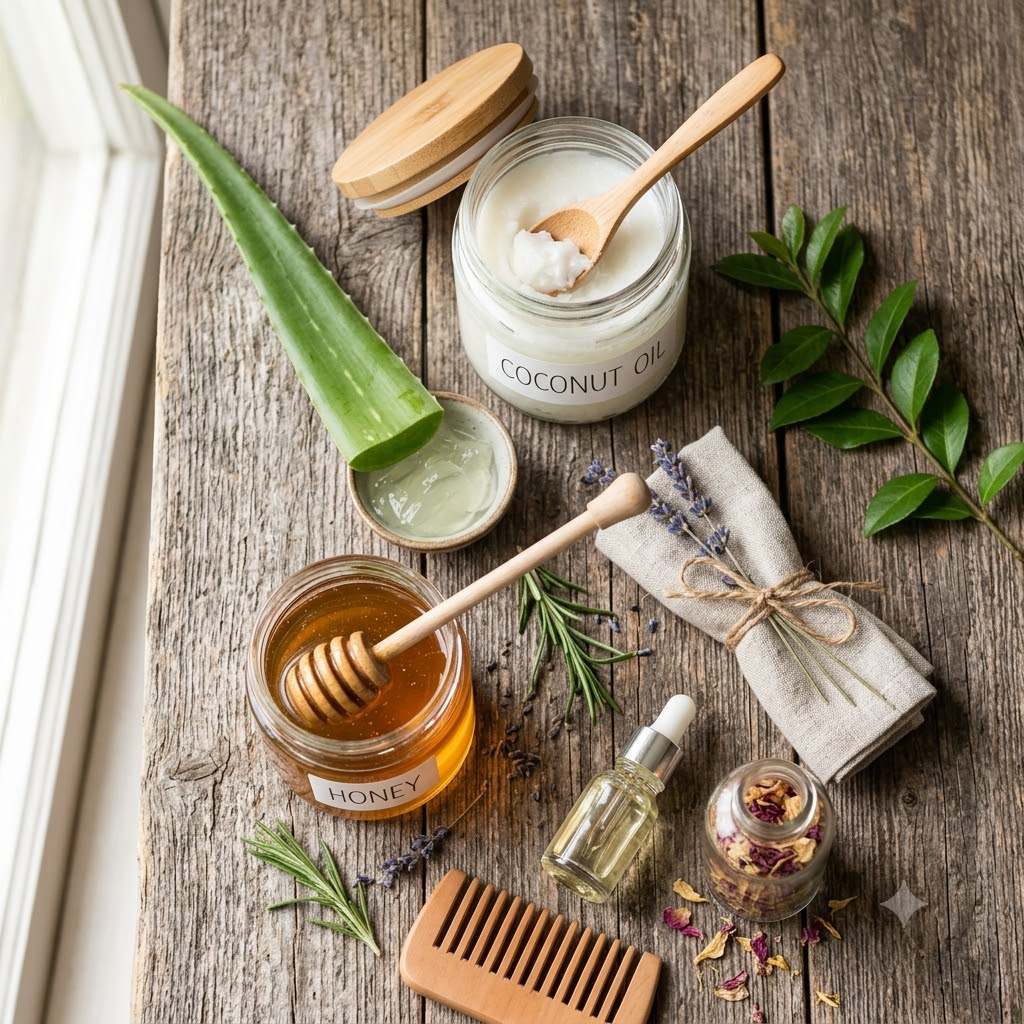
People ask me about this a lot, so I want to be straightforward. Popular remedies include coconut oil, aloe vera, yogurt, egg masks, avocado, and honey.
Some of these ingredients can genuinely help hair feel smoother or more conditioned. Results vary a lot from person to person, and natural does not automatically mean better. Some DIY treatments can also be messy or hard to rinse out completely. Home remedies work best as an addition to a solid basic routine, not a replacement for one.
17. Does Cutting Your Hair Make It Grow Faster?
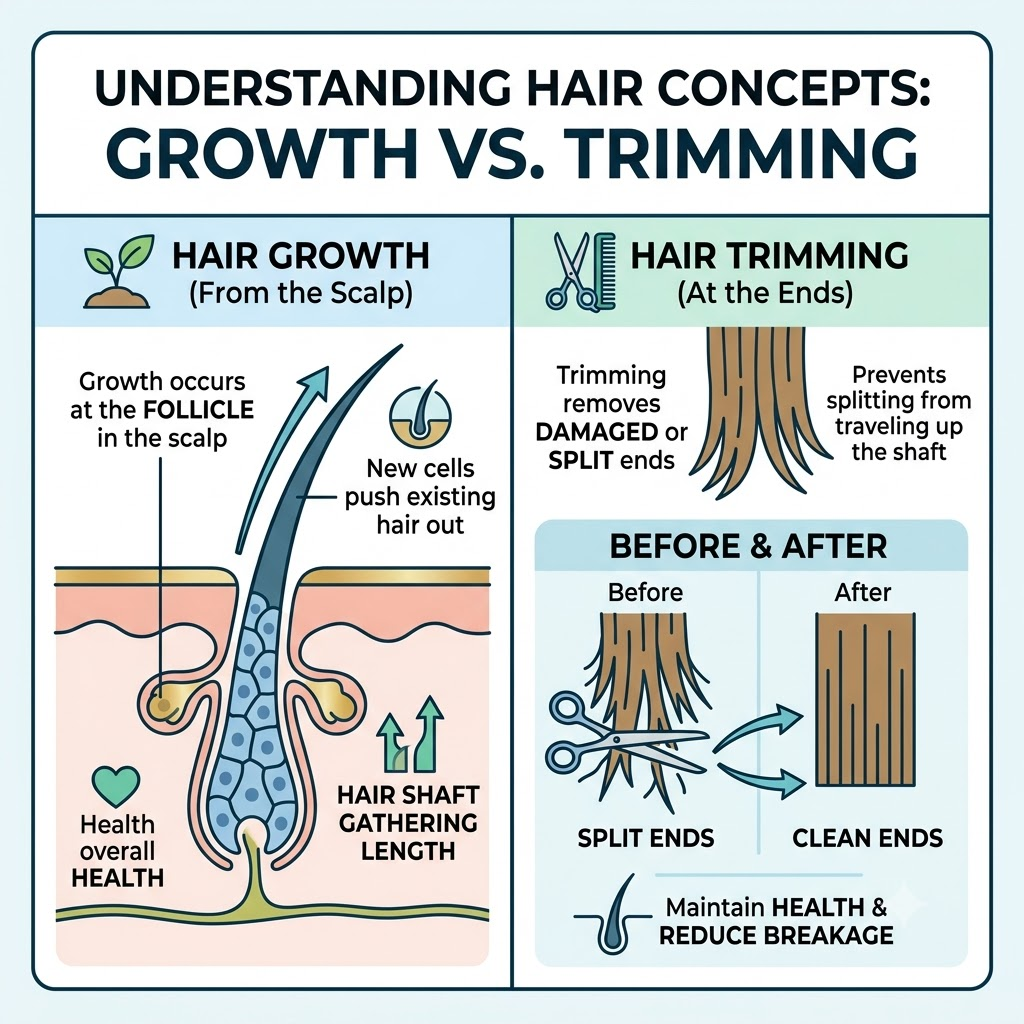
This is a common myth, so let me clear it up. Cutting the ends does not make your hair grow faster from the scalp, since growth happens at the follicle, not at the tips.
What trimming does is remove damaged ends so hair looks healthier overall. And by preventing breakage from split ends traveling upward, you retain more of the length you already have. That is a real benefit, just not the one people usually think it is.
18. How Long Does It Take to Improve Damaged Hair?
I am not going to promise an exact timeline, because it genuinely depends on several factors.
Results depend on:
- How severe the damage is
- Your hair type
- How much chemical processing you have done
- Heat exposure habits
- Your washing routine
- Which products you use
- How much breakage you are dealing with
- How consistently you follow the routine
What people usually notice first:
Softer feeling hair, easier detangling, less frizz, better shine, and improved manageability. Severe damage may need trimming rather than waiting for it to fully heal on its own.
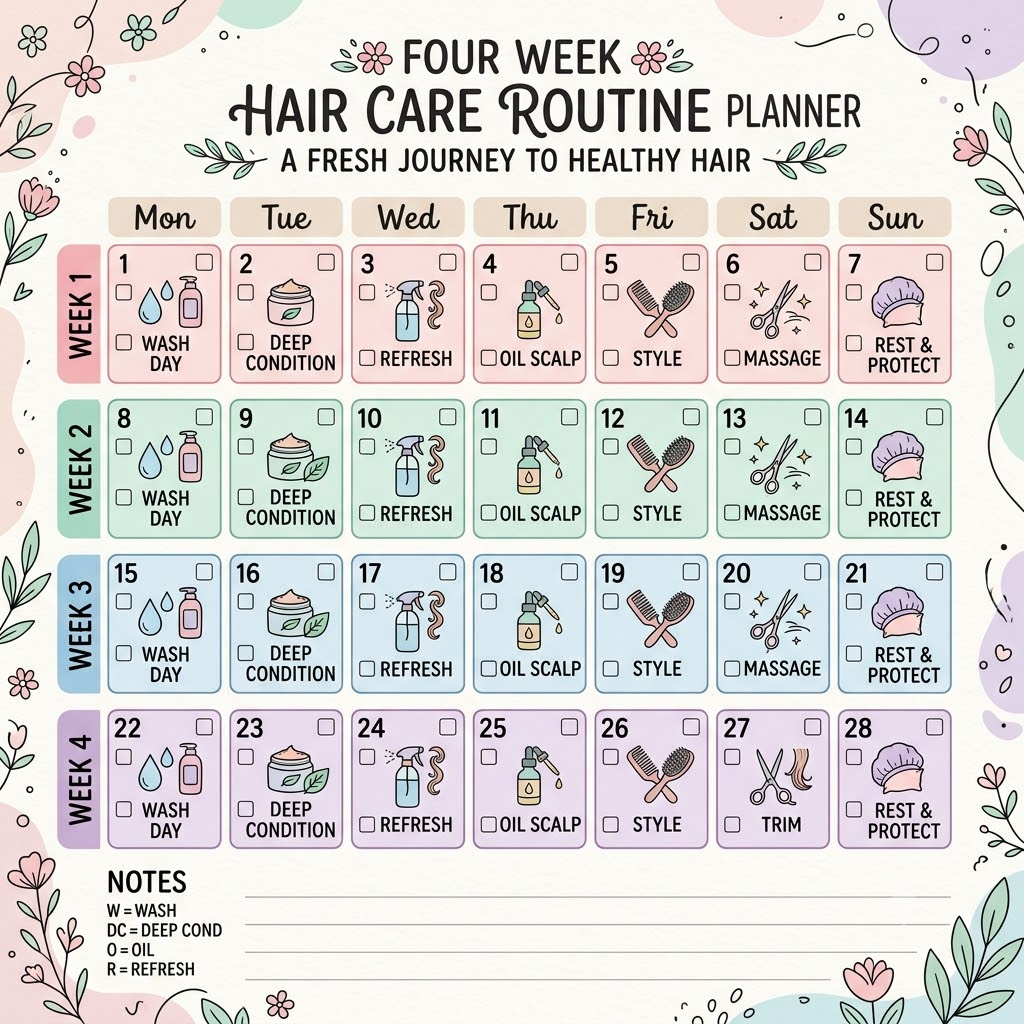
19. A Simple 4 Week Hair Damage Recovery Routine
Week 1, Stop the Damage
Reduce heat, avoid unnecessary chemical treatments, start washing gently, use conditioner consistently, and handle wet hair carefully.
Week 2, Improve Conditioning
Add a deep conditioning treatment, improve your detangling method, reduce friction, and start protecting hair while you sleep.
Week 3, Focus on Protection
Use heat protection when styling, protect hair from excessive sun, rinse after swimming, and avoid tight hairstyles.
Week 4, Evaluate
Ask yourself if hair is easier to comb, if it feels softer, if breakage has reduced, if the ends are still severely split, and if the routine feels realistic to keep up long term.
20. A Simple Routine You Can Actually Maintain
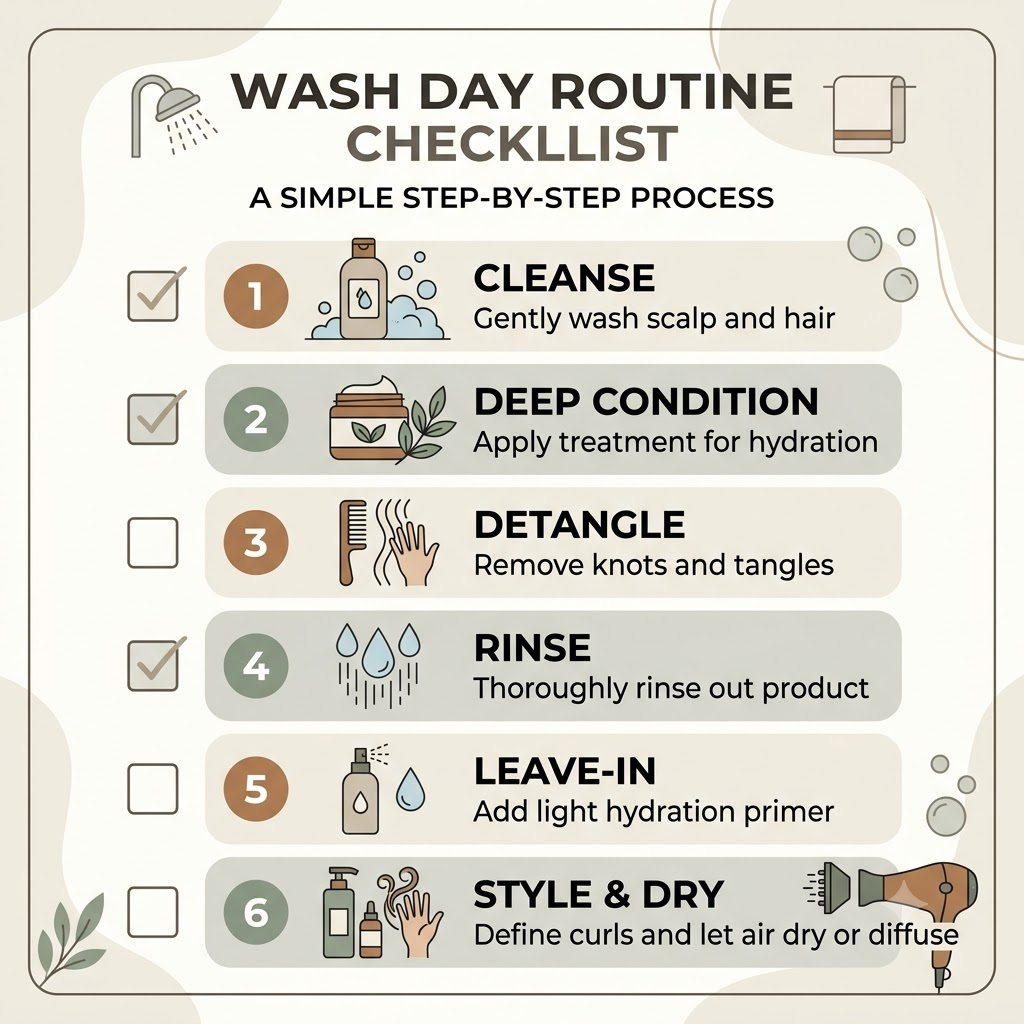
Wash day, before washing: gently detangle if needed.
Wash day, during washing: clean the scalp gently, avoid excessive rubbing, condition the lengths.
Wash day, after washing: remove excess water gently, detangle carefully, apply leave-in care if needed, minimize heat.
Between washes: avoid unnecessary brushing, avoid tight hairstyles, protect hair from friction, and refresh conditioning when your hair type calls for it.
21. Common Hair Damage Mistakes to Avoid
Mistake 1: Using too many products. More products do not automatically mean healthier hair.
Mistake 2: Using high heat every day. Repeated heat exposure keeps adding damage.
Mistake 3: Ignoring split ends. Severely damaged ends usually need trimming, not more product.
Mistake 4: Brushing aggressively. This mechanical stress is a common cause of breakage.
Mistake 5: Assuming every hair problem needs protein. Different hair needs different care.
Mistake 6: Changing your routine every few days. Give a simple routine time before judging it.
Mistake 7: Expecting overnight repair. Hair condition improves through consistency, not one treatment.
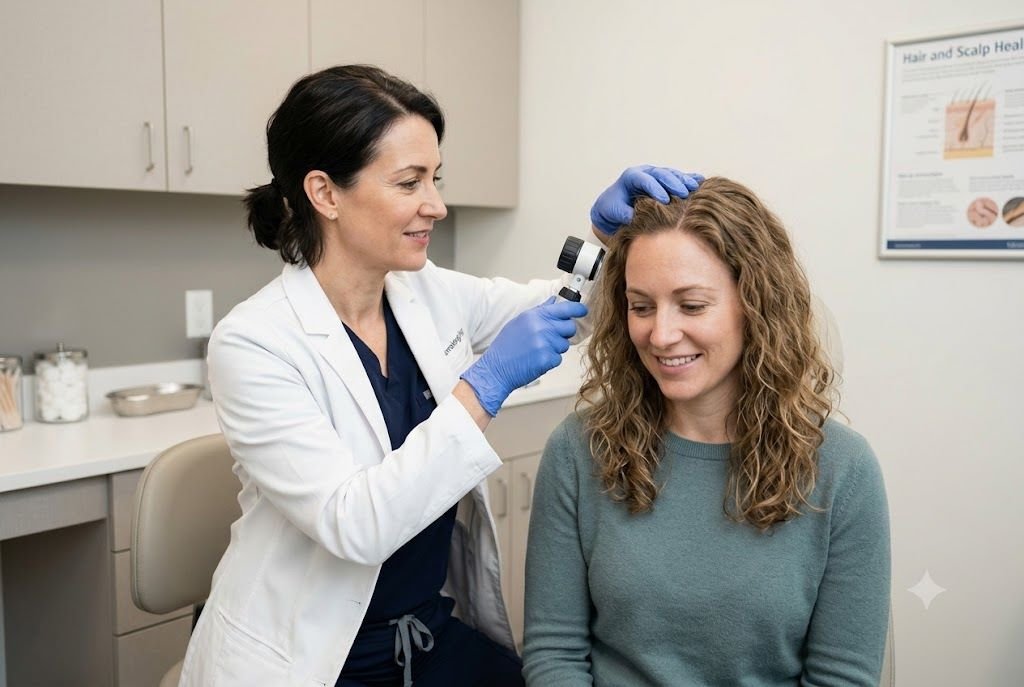
22. When You Should See a Dermatologist or Hair Professional
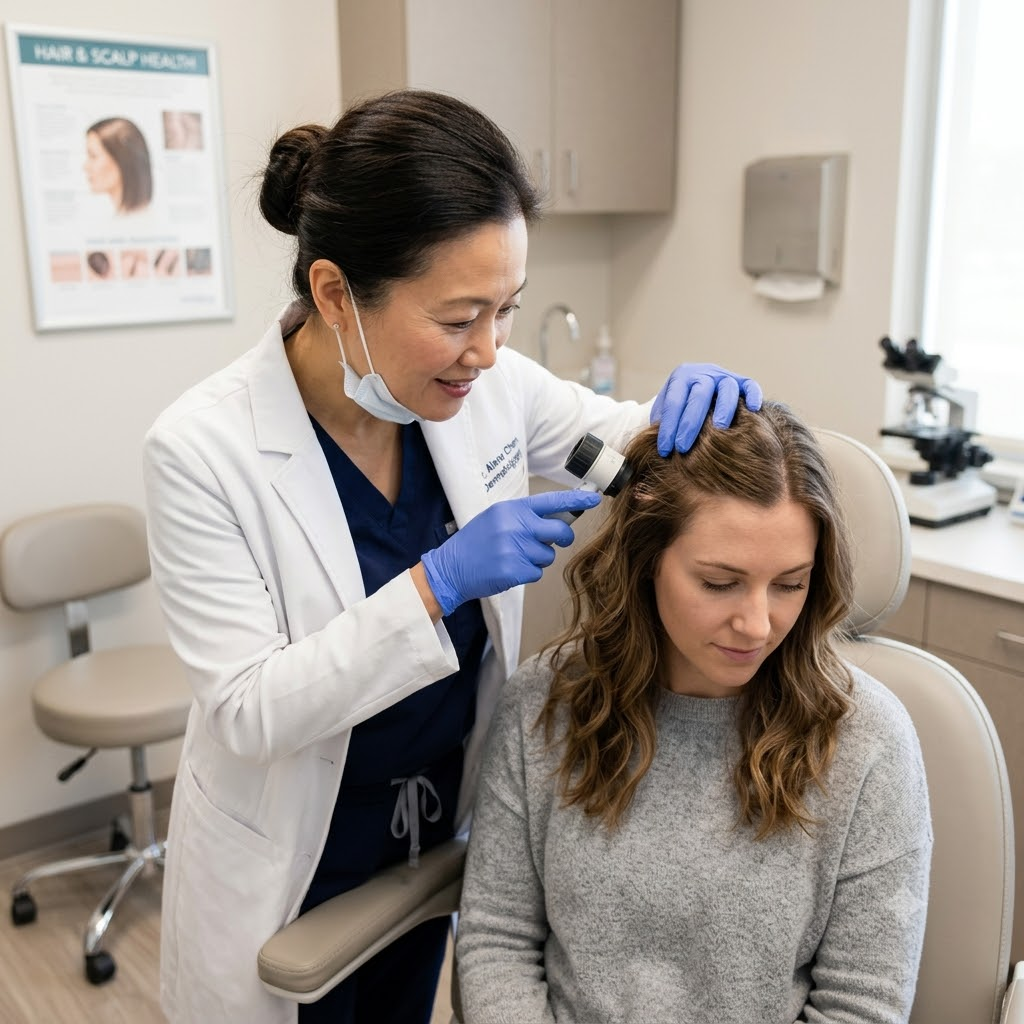
I always recommend getting a professional opinion if you notice any of the following, since cosmetic hair damage and underlying scalp or hair conditions are not always the same thing.
- Sudden or significant hair loss
- Noticeable thinning
- Bald patches
- Persistent scalp irritation
- Pain, redness, or sores
- Severe breakage with no obvious styling cause
- Hair changes that continue despite improving your care routine
- Any other unusual scalp or hair symptoms
23. Quick Hair Damage Recovery Checklist
- Reduce heat styling
- Use heat protection when necessary
- Condition regularly
- Handle wet hair gently
- Detangle from the ends
- Avoid tight hairstyles
- Protect hair from excessive sun
- Rinse hair after swimming
- Avoid unnecessary chemical processing
- Trim severely split ends
- Choose products based on your hair’s needs
- Keep the routine simple and consistent
Final Takeaway
The goal here was never to find one miracle product. What actually works is identifying the cause, stopping further damage, improving conditioning, handling your hair gently, protecting it day to day, trimming the ends that are beyond saving, and staying consistent.
Healthy looking hair usually comes from small habits repeated consistently, not from one expensive treatment you use once and forget about.
Frequently Asked Questions
Can damaged hair become healthy again?
You can significantly improve the appearance, softness, and strength of hair you already have, but severely damaged strands cannot regenerate into brand new hair. Growing in healthier hair happens over time as new growth comes in under better habits.
How can I repair damaged hair naturally?
Focus on gentle handling, consistent conditioning, reducing heat exposure, and avoiding further damage. Natural oils and treatments can support this, but they work best alongside a solid basic routine rather than as a standalone fix.
How long does it take to fix damaged hair?
It depends on how severe the damage is and how consistently you follow a care routine. Many people notice softer, more manageable hair within a few weeks, while more significant improvement can take a few months.
Does oil repair damaged hair?
Oils can help with lubrication, softness, and reducing friction between strands, which makes hair easier to manage. They do not literally regenerate hair that is already severely damaged.
Is it better to cut damaged hair?
Trimming is especially useful for severe split ends and breakage, since it removes the part of the hair that cannot be repaired. It will not fix damage higher up the strand, but it does stop that damage from spreading.
How often should I wash damaged hair?
There is no single schedule that works for everyone. It depends on your scalp, hair type, and lifestyle. What matters more than frequency is using a gentle technique every time you wash.
Can heat damaged hair be repaired?
Consistent conditioning and protective care can noticeably improve how heat damaged hair looks and feels. If the damage is severe, trimming the most affected sections is often necessary alongside the routine.
Why does my hair keep breaking even after using good products?
This usually points to ongoing heat, chemical processing, or mechanical stress like tight hairstyles and aggressive brushing that is outweighing the benefit of the products. It can also be worth checking for an underlying scalp or health issue if breakage continues despite a solid routine.