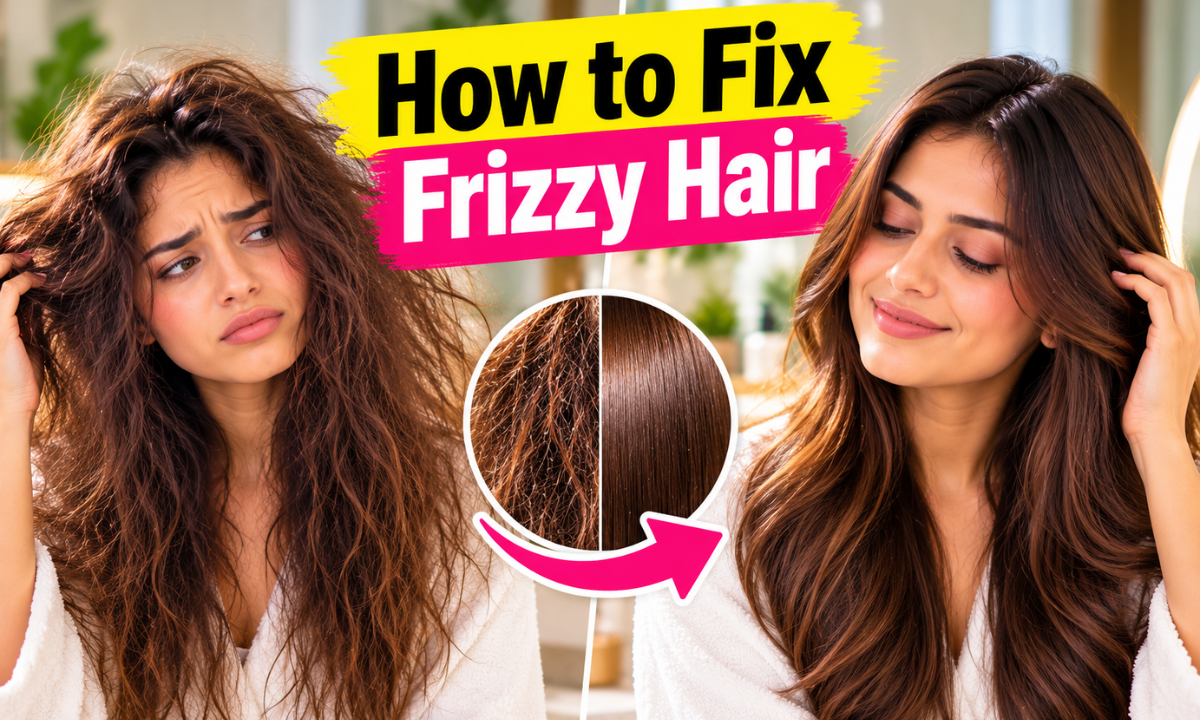
Frizzy hair usually means one thing: your strands are thirsty, so the outer layer (the cuticle) lifts to grab moisture from the air. That’s why how to fix frizzy hair comes down to adding moisture, sealing the cuticle, and cutting back on habits that rough your hair up, like harsh shampoos, hot tools and aggressive towel-drying.
You know the scene. You leave the house with smooth hair, and by lunchtime it’s a puffy halo. I get it, it’s maddening. The good news is that frizz isn’t a life sentence, and most fixes are cheap and easy.
How to Cut Curtain Bangs at Home: Easy Step-by-Step Guide
How to Cut Bangs for Curly Hair (And Actually Love How They Turn Out)
How to Cut Bangs for Curly Hair Without Regretting It (Yes, It’s Possible)
What’s Really Causing Your Frizz
Before you can fix it, it helps to know what you’re up against. Frizz isn’t a hair “type.” It’s a condition, and nearly everyone gets it at some point.

Dryness and Porosity
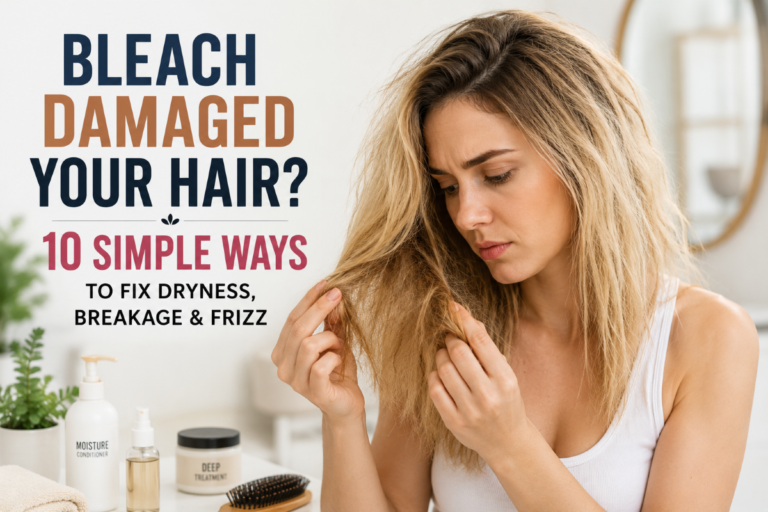
Dry hair is the number one culprit. When your strands lack moisture, the cuticle doesn’t lie flat, and the hair swells and puffs up. High-porosity hair, which soaks up water fast but loses it just as quickly, is especially prone. Bleached, colored or heat-styled hair often falls into this group.
Humidity and Weather
Your hair is hygroscopic, which is a fancy way of saying it absorbs water from the air. On muggy days, each strand swells unevenly, and that’s frizz. If you’ve ever noticed your hair misbehaving the second you step into a damp British morning or a sticky Toronto summer, that’s why.
Heat and Chemical Damage
Flat irons, curling wands, bleach, relaxers and even daily blow-drying wear down the cuticle over time. Damaged cuticles can’t hold moisture or lie smooth, so frizz becomes your hair’s default setting. Honestly, this one is the most underestimated cause.
How to Fix Frizzy Hair: A Step-by-Step Routine
Here’s the routine I’d walk you through in the salon chair. You don’t need all of it on day one. Start with the first two steps and build from there.
Step 1: Wash Smarter, Not Harder
Skip daily shampooing. Most people with frizz do better washing two to three times a week with a sulfate-free, moisturizing shampoo. Focus the shampoo on your scalp and let the suds rinse down the lengths. Scrubbing your ends is basically asking for dryness.
Finish with a cool (not freezing) rinse if you can stand it. It helps the cuticle lie flatter.
Step 2: Condition Like You Mean It
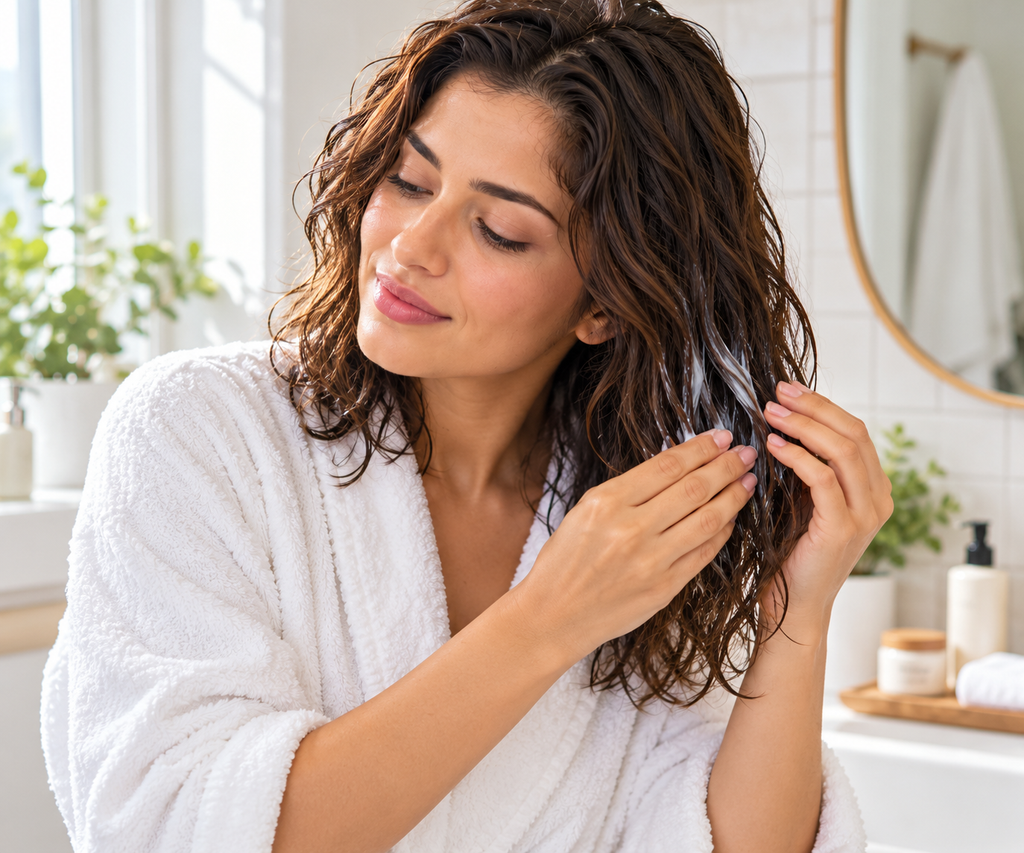
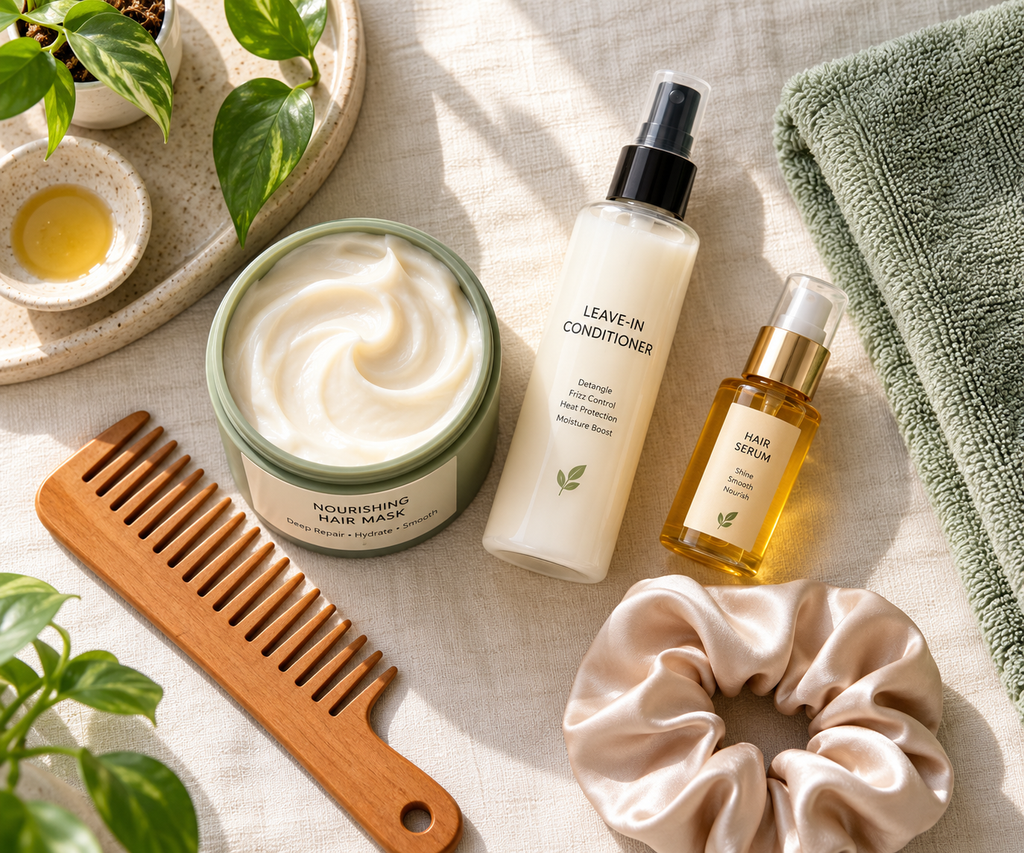
Conditioner is where the magic happens. Apply it from mid-lengths to ends, comb through with a wide-tooth comb, and leave it on for a full two to three minutes. Once a week, swap it for a deep conditioning mask and leave it on for 10 to 20 minutes.
Step 3: Dry Gently
Stop rubbing your hair with a regular bath towel. The rough loops of terry cloth rough up the cuticle. Instead, blot and scrunch with a microfiber towel or an old cotton T-shirt. Then:
- Apply a leave-in conditioner or cream to damp (not soaking) hair
- Air-dry when possible, or use a diffuser on low heat
- If you blow-dry, use a nozzle and finish with the cool-shot button
Step 4: Seal It In
A few drops of lightweight hair oil or a smoothing serum over dry hair locks in moisture and cuts down on flyaways. Less is more here. If your hair looks greasy, you’ve used too much.
Best Products and Methods for Frizz Control
The hair aisle is overwhelming, so here’s what to actually look for. I’m sticking to product types and ingredients rather than brands, because what works depends heavily on your texture.
Ingredients Worth Looking For
- Shea butter, argan oil and jojoba oil for lasting softness
- Glycerin and panthenol to draw moisture in (heads up: in very high humidity, humectants can sometimes backfire, so test them)
- Dimethicone or other light silicones for slip and humidity protection
- Ceramides and amino acids to help reinforce damaged hair
Product and Method Comparison
| Product / Method | Best For | How Often | What It Does |
|---|---|---|---|
| Moisturizing shampoo | All frizz types | 2-3x per week | Cleans without stripping natural oils |
| Deep conditioning mask | Dry, damaged, color-treated hair | Once a week | Restores moisture and softens the cuticle |
| Leave-in conditioner | Wavy, curly, coily hair | After every wash | Adds daily hydration and slip |
| Smoothing serum or oil | Fine to thick hair, flyaways | As needed on dry hair | Seals the cuticle and adds shine |
| Microfiber towel / T-shirt | Everyone | After every wash | Reduces friction-related frizz |
| Silk or satin pillowcase | Everyone, especially curly hair | Nightly | Cuts overnight friction |
| Trim | Split ends, damaged lengths | Every 8-12 weeks | Removes split ends that travel up the strand |
Fixing Frizz for Your Hair Type
One routine doesn’t fit everyone, and this is where a lot of advice falls flat.

Fine or Straight Hair
You’ll get frizz mostly from damage and static. Go light with products: a weightless serum and a lighter conditioner. Heavy creams will flatten you out.
Wavy Hair
Waves frizz when they’re disturbed. Apply products to soaking-wet hair, scrunch upward, and then don’t touch it until it’s fully dry. Hands off is genuinely the hardest and most effective tip I give.
Curly and Coily Hair
Curls are naturally drier because scalp oils struggle to travel down the bends. Layer your moisture: leave-in first, then cream, then a gel to lock it down. Finger-detangle or use a wide-tooth comb only when your hair is coated in conditioner.
Common Mistakes That Make Frizz Worse
You might be doing everything “right” and still sabotaging yourself. These are the usual suspects.
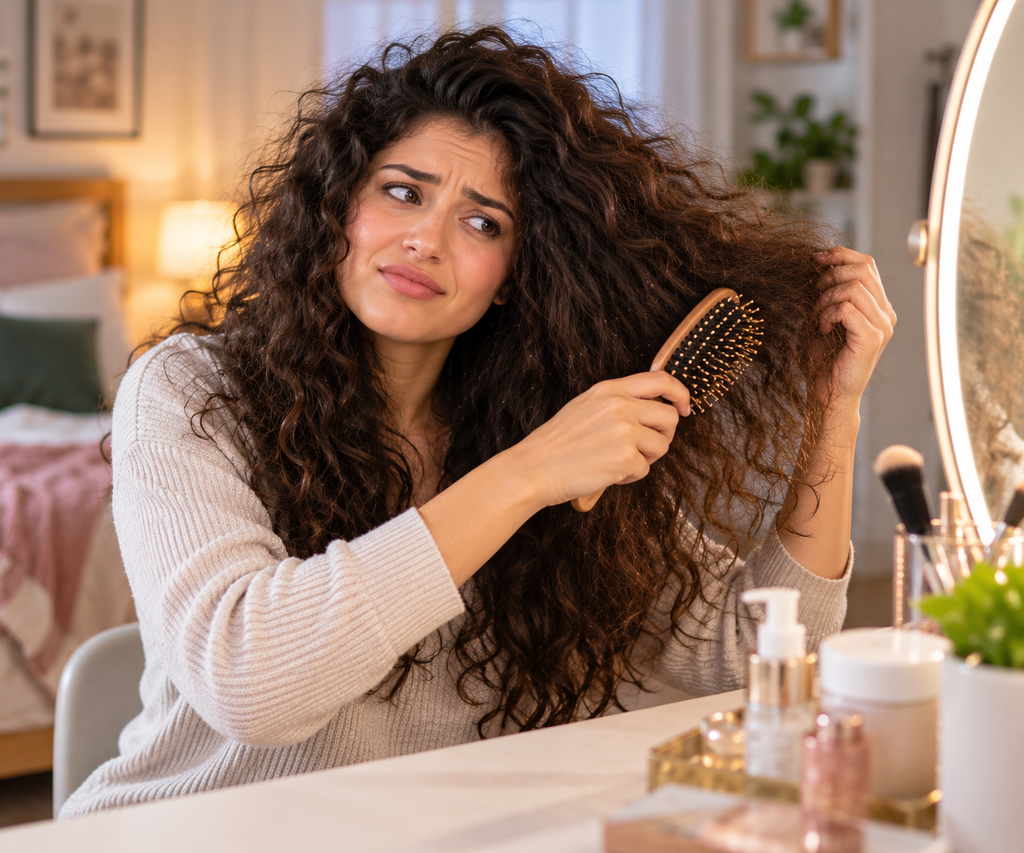
- Brushing dry curly or wavy hair. It breaks up the curl pattern and creates instant puff.
- Washing with hot water. It feels great but strips moisture. Go lukewarm.
- Using alcohol-heavy styling products. Look out for “alcohol denat.” high on the ingredient list.
- Skipping heat protectant. Heat without protection fries your cuticle fast.
- Over-washing or over-conditioning. Too much of either leaves hair dry or limp.
- Sleeping on cotton. It’s rougher on the hair and absorbs moisture.
- Ignoring split ends. They fray further up the strand, no matter how many serums you use.
Pro Tips from the Salon Chair
These are the small habits that separate “okay” hair days from great ones.
- Try a hair gloss or glaze. A salon gloss treatment (or an at-home version) smooths the cuticle and adds shine for several weeks.
- Ask about keratin or smoothing treatments. They can cut frizz significantly but vary in ingredients and damage, so talk to a licensed stylist about what suits your hair.
- Sleep smart. A loose braid or “pineapple” ponytail on a silk pillowcase protects your hair overnight.
- Add a cool-shot finish. Ten seconds of cold air after blow-drying sets the style and calms the cuticle.
- Apply a drop of oil to your hands first. Then lightly smooth over the top layer to tame flyaways without weighing hair down.
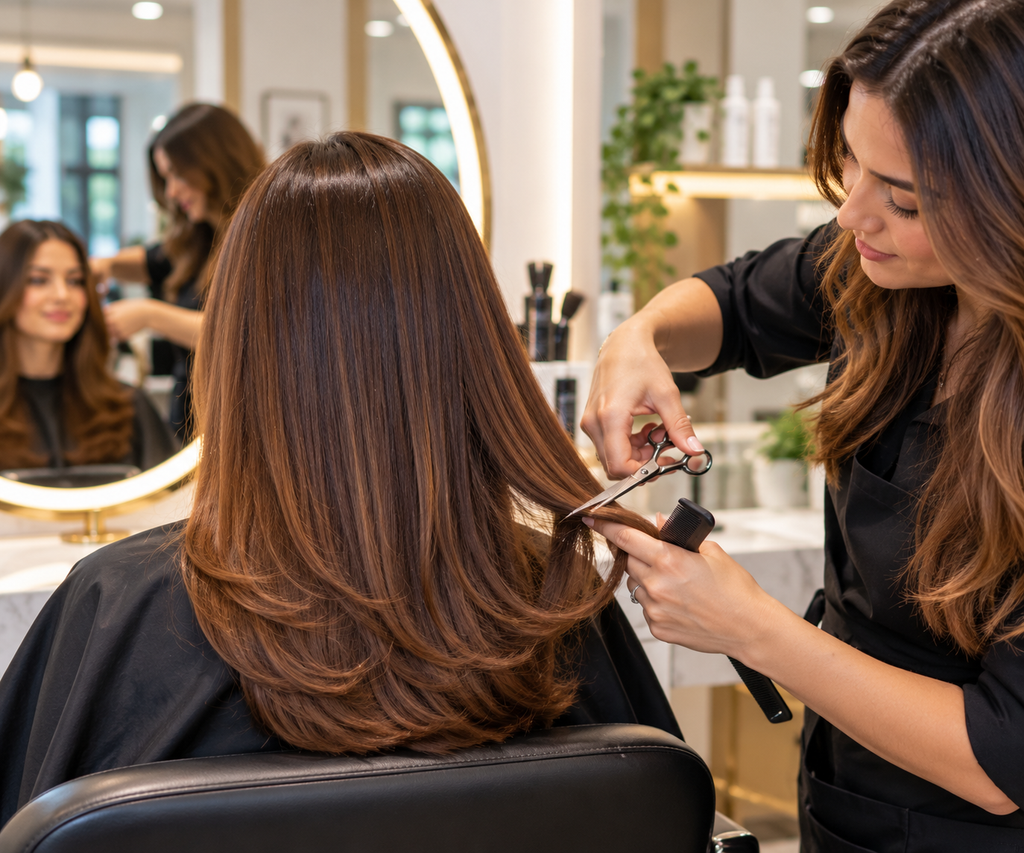
- Trim regularly. A dusting every two to three months keeps your ends from unraveling.
Frequently Asked Questions
Why is my hair so frizzy even when I moisturize?
Frizz can come from damage, not just dryness. If your cuticle is rough from heat or color, moisture escapes faster than you can add it. Try adding a protein-rich treatment, trimming split ends, and using a sealing product like a light oil after moisturizing.
Can frizzy hair be permanently fixed?
Not completely, since your natural texture and the weather will always play a role. But you can dramatically reduce frizz by treating damage, building a consistent routine, and using the right products. Smoothing treatments can last months, though they aren’t permanent.
Does coconut oil help with frizzy hair?
It depends on your hair. Coconut oil can help some people, especially with thick, coarse or curly hair, but it can leave fine hair greasy or stiff. If you want to try it, use a tiny amount on the ends only.
How often should I wash frizzy hair?
Most people with frizzy hair do well washing two to three times a week. If your scalp gets oily faster, wash your roots more often and keep conditioner on the lengths. Over-washing strips natural oils and usually makes frizz worse.
Will cutting my hair get rid of frizz?
It can help a lot if split ends and damaged lengths are the cause. A fresh trim won’t change your texture, but it removes the frayed bits that look the frizziest. Layers can also help curly and wavy hair sit better.
Smooth Hair Starts With Small Habits
You don’t need a 12-step routine or a cabinet full of products to figure out how to fix frizzy hair. Swap your towel, condition properly, seal with a little oil, and be kind to your ends. Give it three or four weeks before you judge the results, because hair takes time to bounce back.
Got a go-to trick that’s worked for your frizz? Share it in the comments, and save this guide to your Pinterest board for the next humid day.