
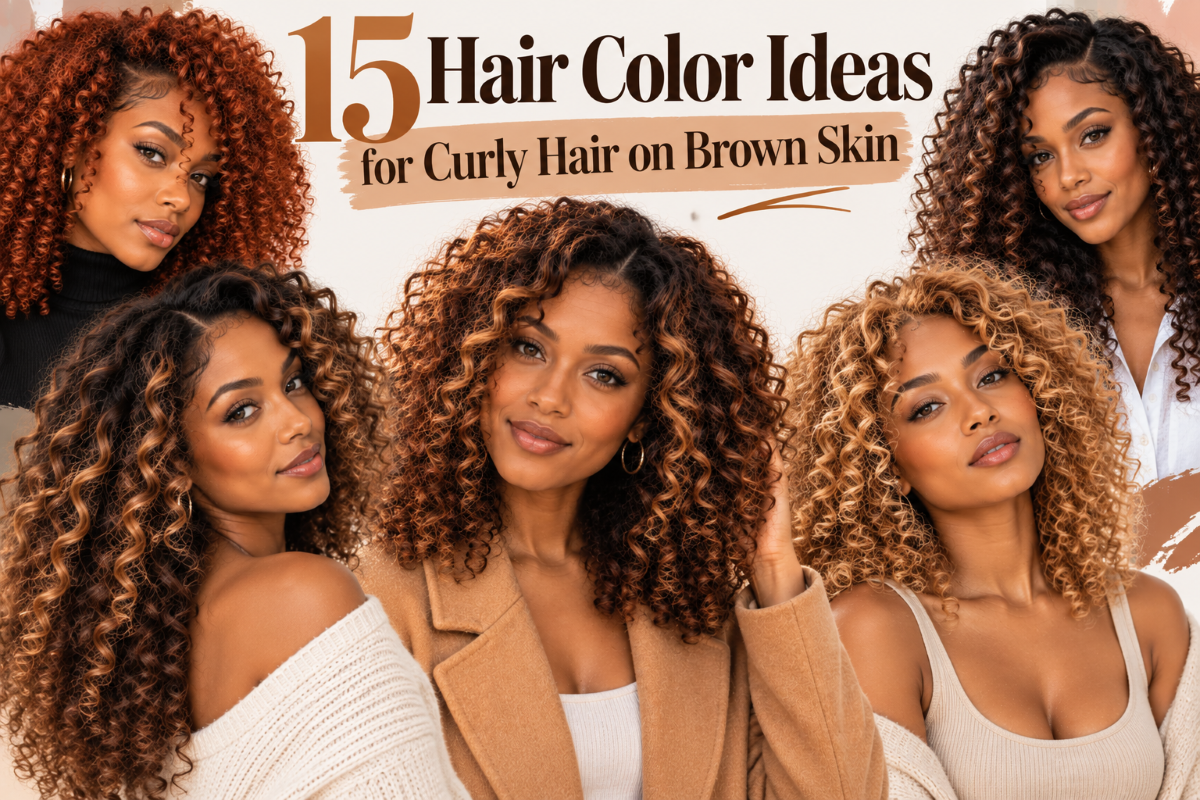
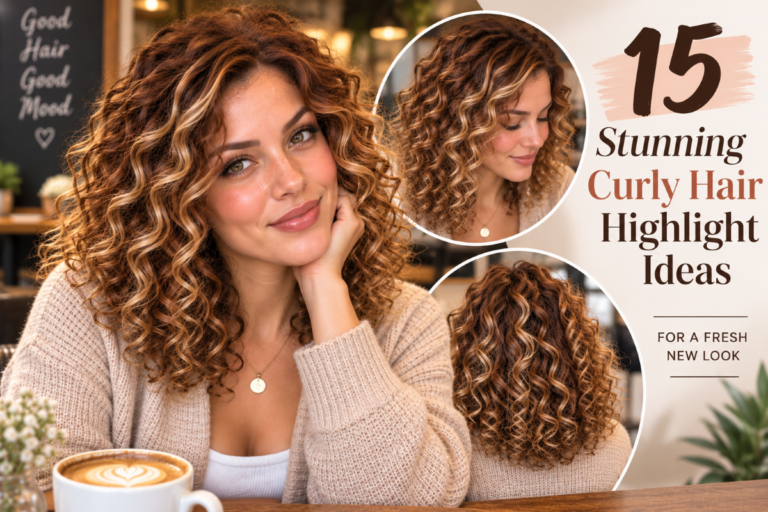
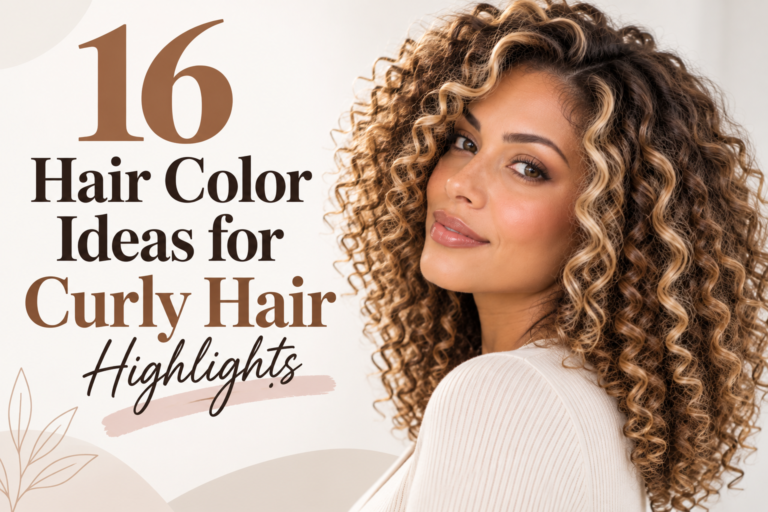
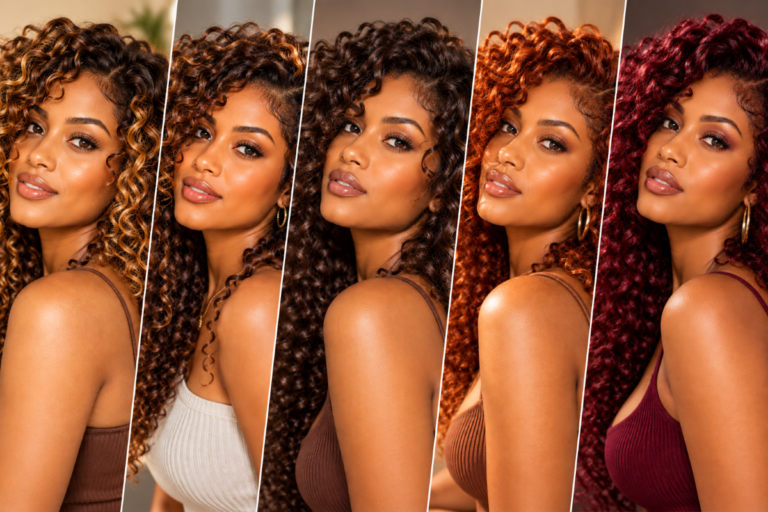
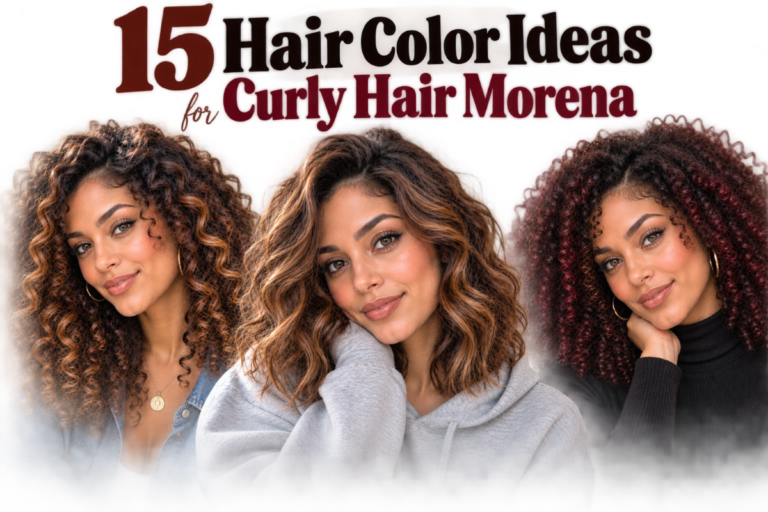
Choosing a hair color for curly hair on brown skin comes down to more than picking a shade you like in a photo. Undertone, curl pattern, and how much maintenance you actually want to commit to all play a role in how a color settles into your natural texture. Warm tones like caramel, copper, and honey tend to bring out richness in brown skin, while deeper shades like espresso and burgundy add dimension without a dramatic lift.
This list covers fifteen distinct color ideas, from subtle highlights that barely change your grow-out to fuller color transformations. Each one notes the curl types and hair lengths it tends to suit, along with what kind of upkeep to expect.
Quick Takeaway
- Best for low maintenance: Caramel Root Melt, Deep Espresso with Money Piece
- Best for natural curls with minimal lift: Warm Chestnut Brown, Dark Chocolate with Subtle Highlights
- Best for a bold transformation: Bronze Auburn Curls, Burnt Orange Copper
- Best for adding dimension without full color: Golden Brown Face-Framing Highlights, Caramel Highlights on Coily Hair
- Best for a subtle change: Toffee Brown Balayage, Chocolate Cherry Melt
- Best for coily and tightly coiled textures: Rich Mahogany, Deep Burgundy Coils
Main Hair Ideas
1. Golden Honey Balayage
This look hand-paints warm honey tones through mid-lengths and ends, leaving the roots close to natural. On brown skin, the gold undertone tends to read as sun-warmed rather than brassy. It works well on 3A to 3C curls where the color can catch the light along each curl’s ridge. Maintenance stays fairly low since the roots blend naturally as they grow out, making it a good option for anyone who wants dimension without frequent salon visits.
2. Deep Espresso with Money Piece
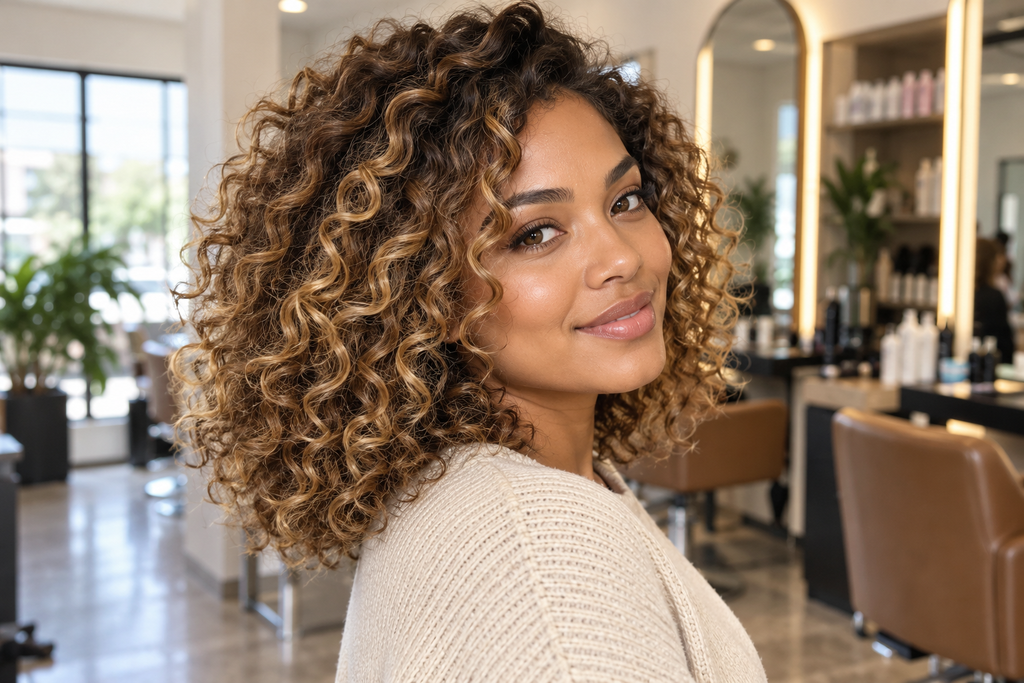
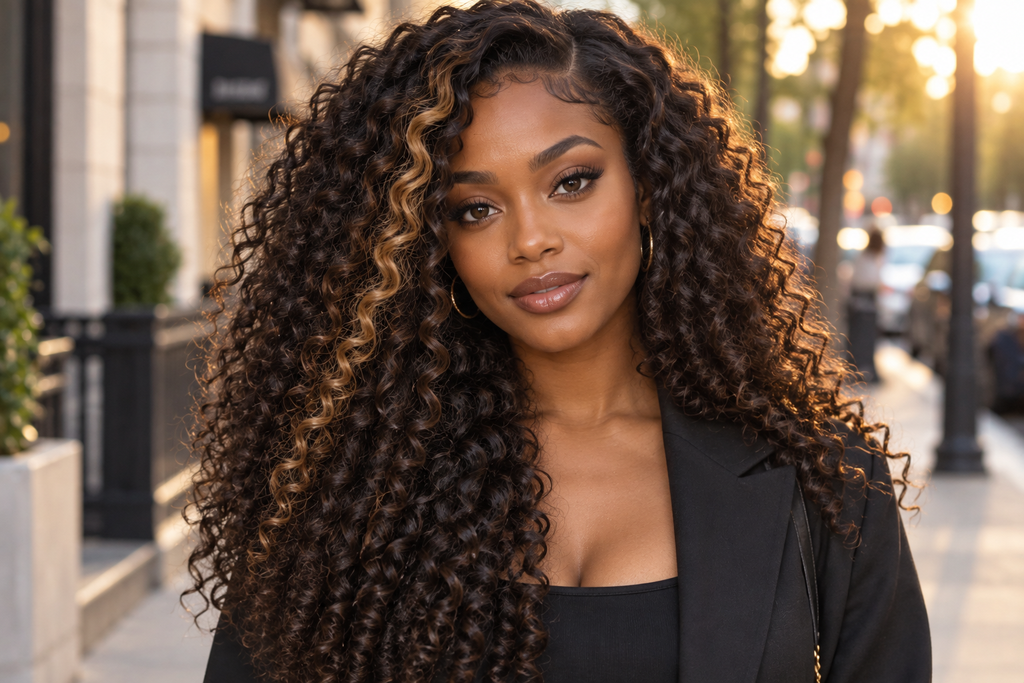
A near-black espresso base gets one bright, face-framing streak in warm caramel or honey. The contrast tends to draw attention to the face without requiring a full-head lightening process. This works across most curl patterns and lengths, from shoulder-length 3C curls to longer 4A styles. Because only one section is lightened, touch-ups are infrequent, and the rest of the hair stays close to its natural depth.
3. Copper Cinnamon Curls
A full copper-cinnamon color shifts the entire head into a warm reddish-brown, often described as a spiced or autumnal shade. This is a bigger commitment than highlights since it usually involves an all-over gloss or color application. On brown skin, this tone often reads as rich rather than harsh, especially with warm undertones. Curl patterns from 2C to 3B tend to show the color’s movement well, particularly in natural light.
4. Chocolate Cherry Melt
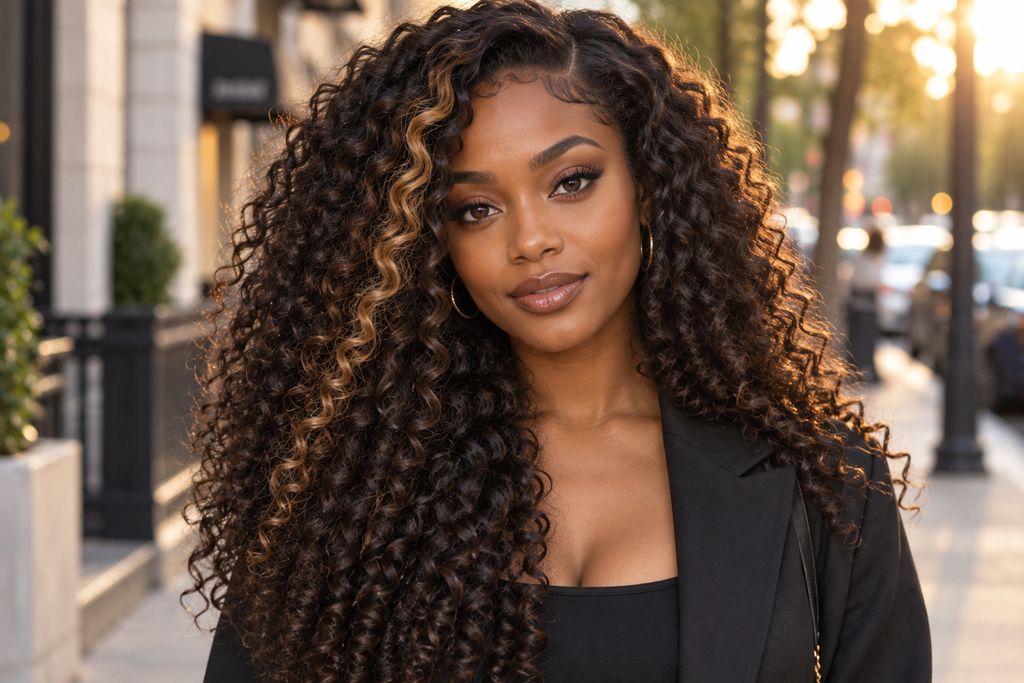
This color blends a deep chocolate brown base into cherry-red undertones toward the ends, creating a color melt that looks different depending on the light. It suits longer curls where the gradual shift has more room to show, particularly 3B to 4A textures. The cherry tones tend to warm up brown skin without looking overly red. Upkeep is moderate, since the red pigment can fade faster than brown alone.
5. Caramel Highlights on Coily Hair
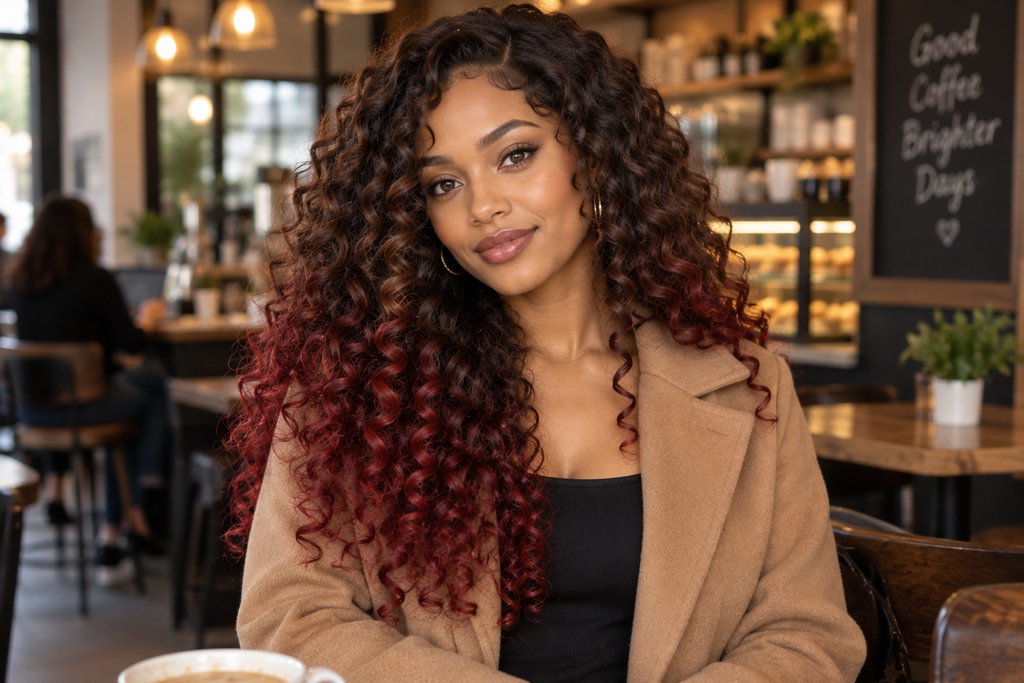
Fine caramel highlights woven through coily 4B or 4C hair add dimension without changing the overall base color. Because coily patterns can hide highlight placement more than looser curls, a stylist typically concentrates the lightened pieces near the crown and face for visibility. This is a good middle ground for anyone who wants noticeable color without a full transformation, and it tends to require touch-ups every few months.
6. Warm Chestnut Brown
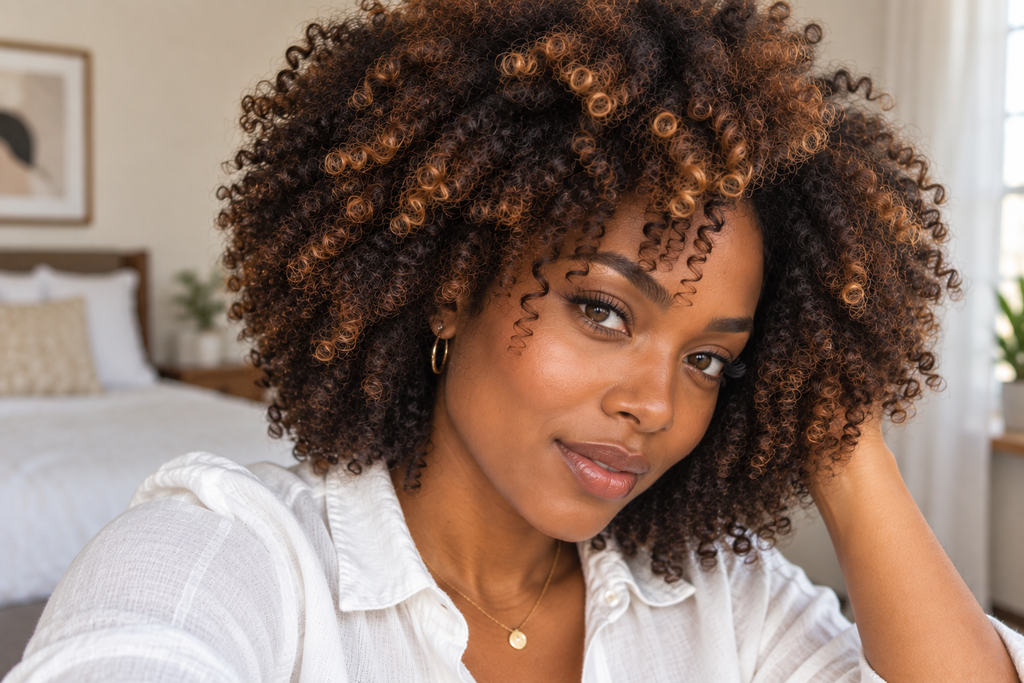
Chestnut brown sits between the reddish warmth of auburn and the neutrality of a standard brunette, giving it a versatile glow that works on nearly any curl pattern. Applied as an all-over gloss rather than a bleach-heavy process, it tends to be gentler on curl health. This shade suits medium to long 3A through 3C curls especially well, since the warmth catches light along the curl’s natural bend.
7. Bronze Auburn Curls
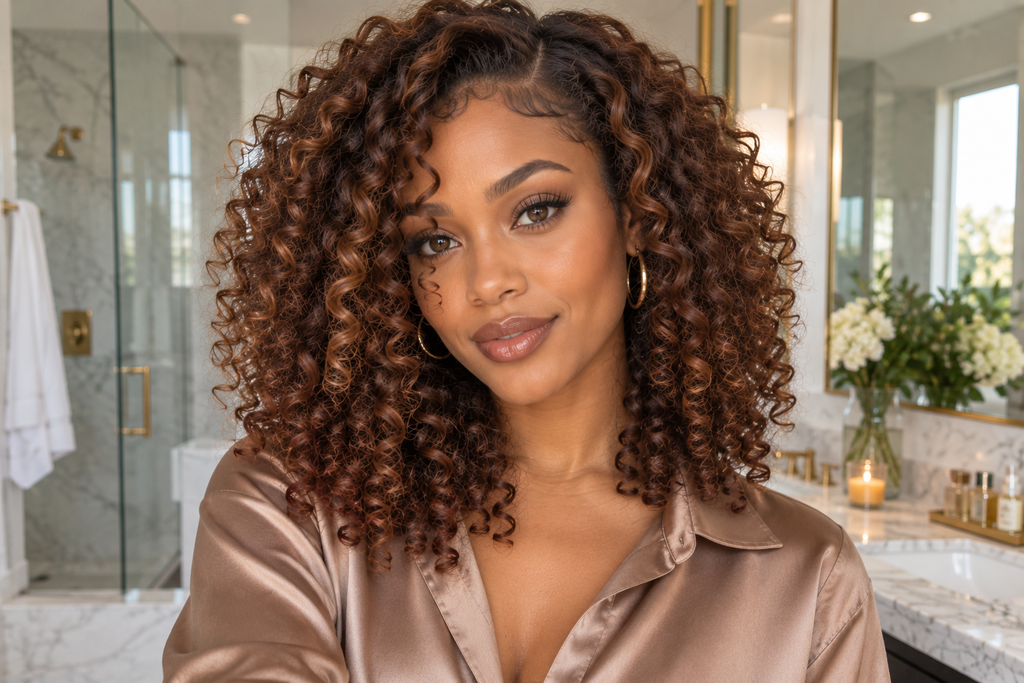
Bronze auburn leans more metallic than a standard red, with a warm shimmer that shows up clearly in sunlight. This is a bolder, full-color option best suited to those ready for more upkeep, since auburn tones can fade unevenly. It tends to look striking on shorter, bouncier curls in the 3B to 4A range, where the color’s warmth is visible in every curl cluster rather than spread across long lengths.
8. Toffee Brown Balayage
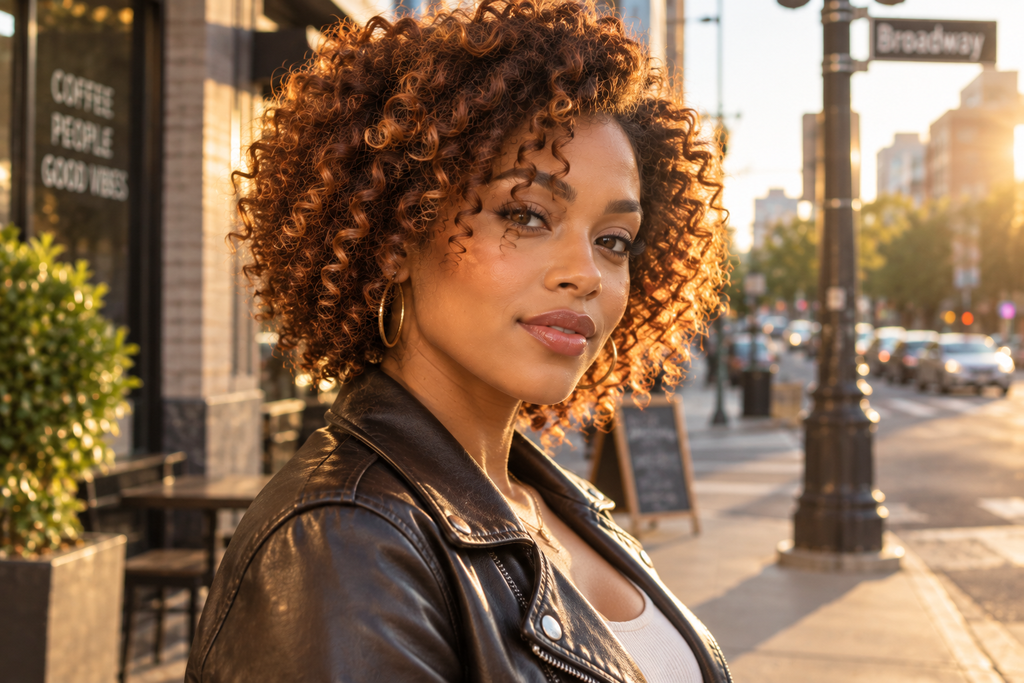
Toffee brown balayage uses a soft, gradual lightening technique that avoids harsh lines, blending from a natural root into a warm toffee tone at the ends. It is one of the gentler color processes on this list, making it a reasonable option for those newer to coloring curly hair. This shade suits 2B to 3B curls particularly well, where the graduated color follows the wave pattern smoothly.
9. Rich Mahogany
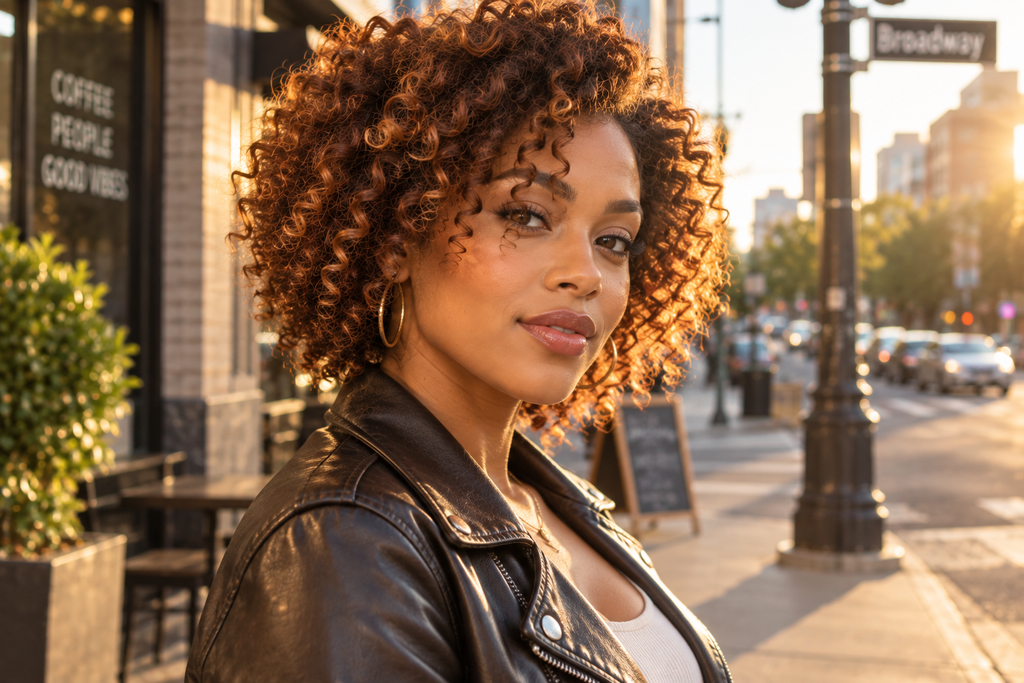
Mahogany combines deep brown with a subtle red-purple undertone, giving coily and tightly coiled hair a rich, almost wine-like depth in direct light while still reading as brunette in shade. This is a full-color option that works especially well on 4A to 4C hair, where the color adds visible dimension to the coil pattern without requiring significant lightening. It tends to hold its tone longer than brighter reds.
10. Honey Blonde Curls
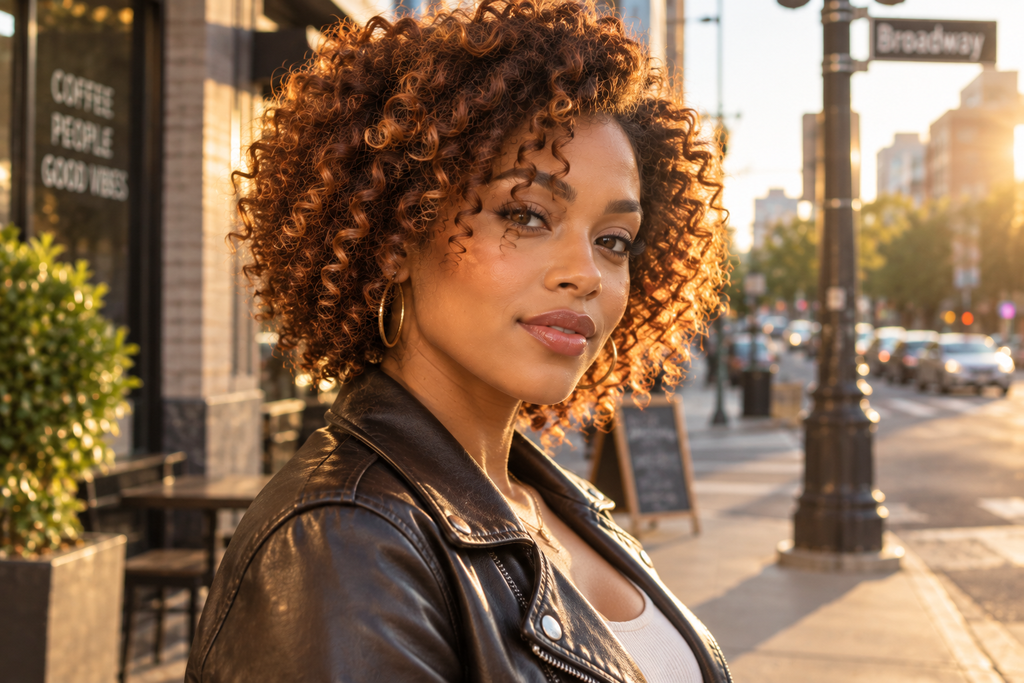
A fuller lift into honey blonde is one of the more dramatic options on this list and typically requires a longer salon process, often including bleach. On brown skin with warm undertones, honey blonde tends to look sunlit rather than washed out, particularly on looser 2C to 3B curl patterns. This shade needs consistent toning to prevent brassiness and is best discussed thoroughly with a colorist beforehand.
11. Burnt Orange Copper
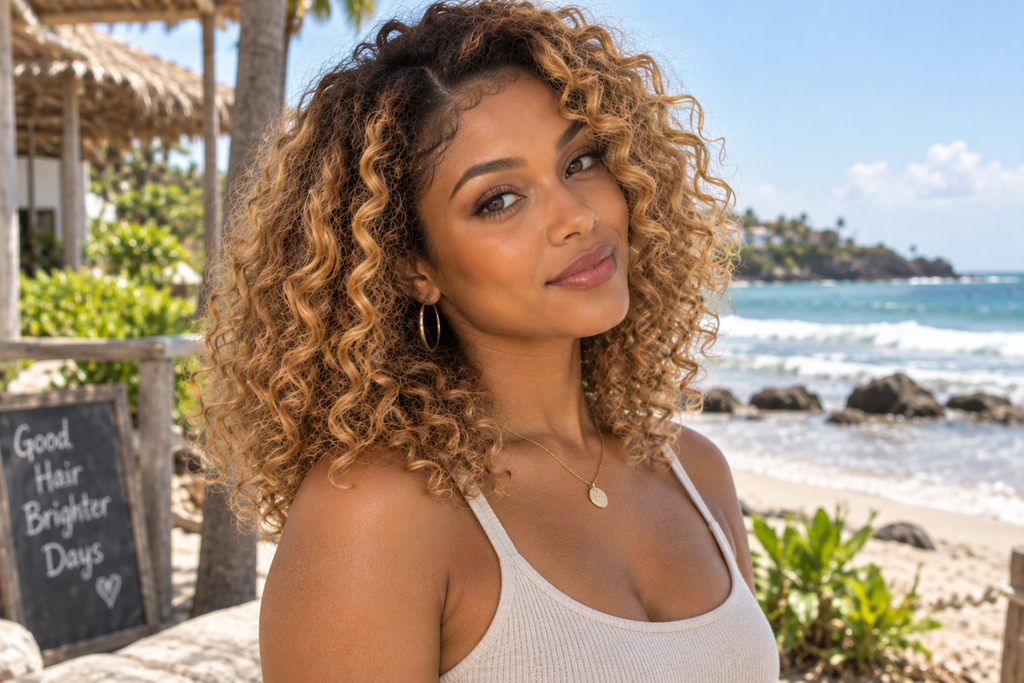
This is a bolder, more saturated take on copper, closer to a burnt orange than a soft cinnamon. It is a striking full-color choice that tends to suit those comfortable with a noticeable change and more frequent color refreshes. On brown skin, the warmth of this shade often looks vivid rather than harsh. It works well on 3C to 4A curls, where the tighter pattern gives the color extra texture and depth.
12. Dark Chocolate with Subtle Highlights
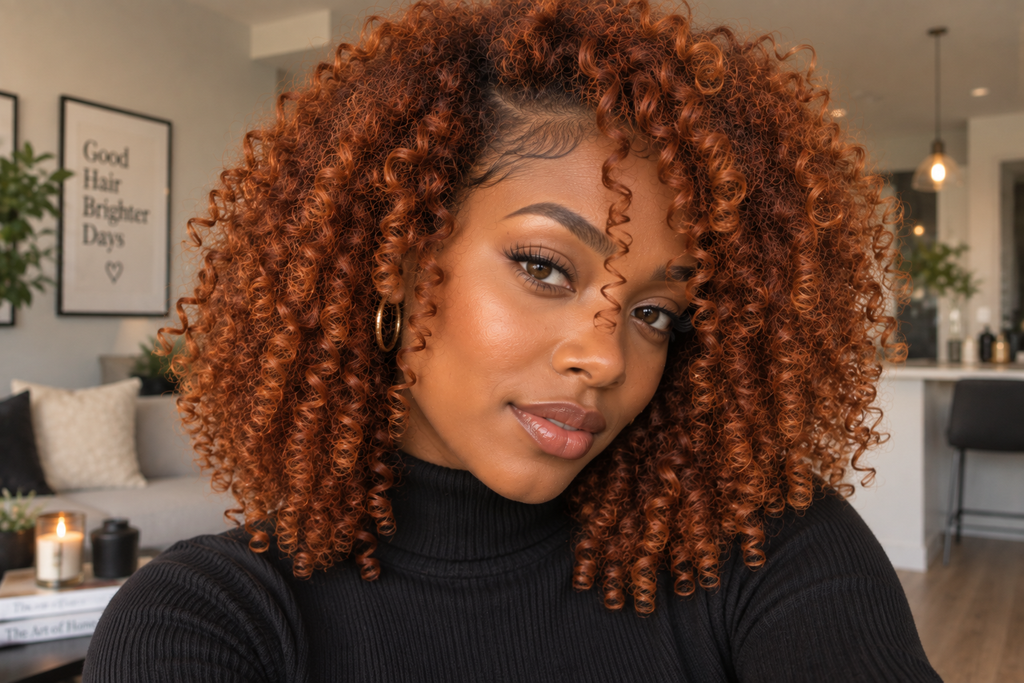
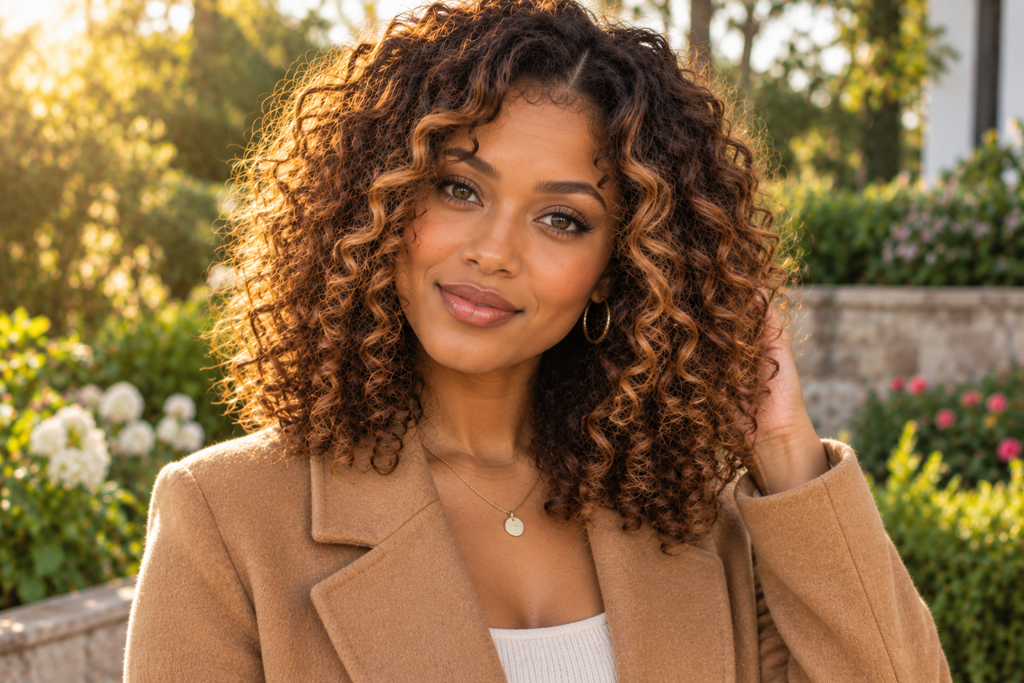
For anyone hesitant to lighten much at all, dark chocolate brown with a handful of subtle, barely-there highlights offers dimension without a dramatic shift. The highlights are placed sparingly, mostly around the face, so the change stays understated in everyday light but shows more depth in the sun. This works on nearly every curl type and length, since the base color stays close to natural.
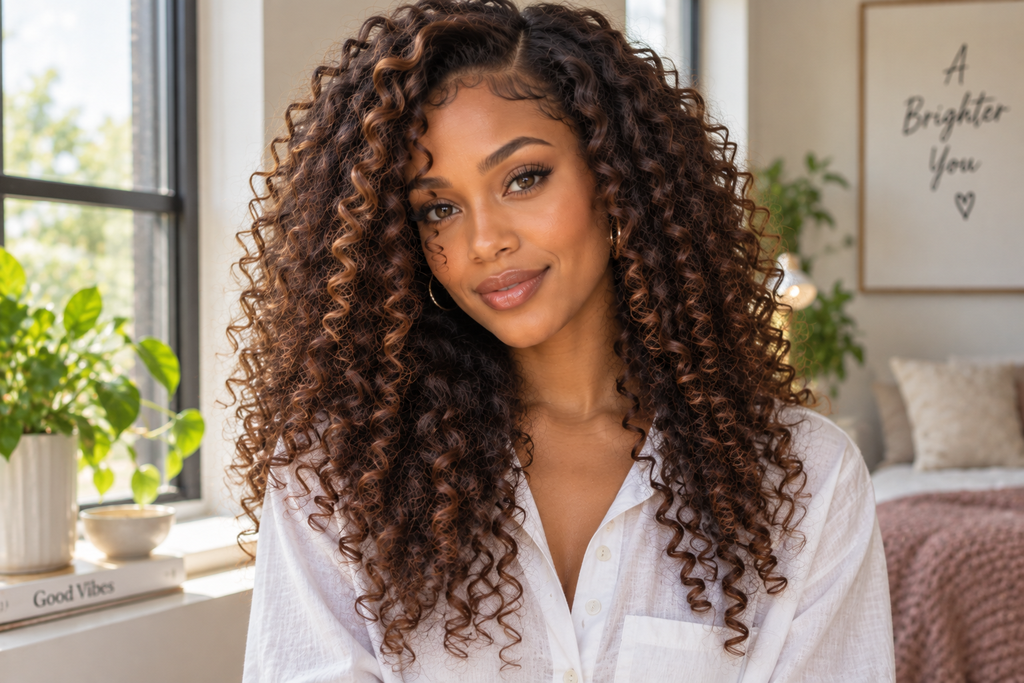
13. Caramel Root Melt
A root melt blends a natural or slightly deepened root color into caramel tones through the mid-lengths, avoiding a hard line at the regrowth. This is one of the lowest-maintenance options here, since the melt is designed to grow out gracefully. It suits 3A to 3C curls especially well, and it is a reasonable option for those who want warmth without frequent salon visits.
17 Medium Length Haircuts Ideas for Women to Try Now
22 Wolf Cuts With Curtain Bangs Styling Hacks
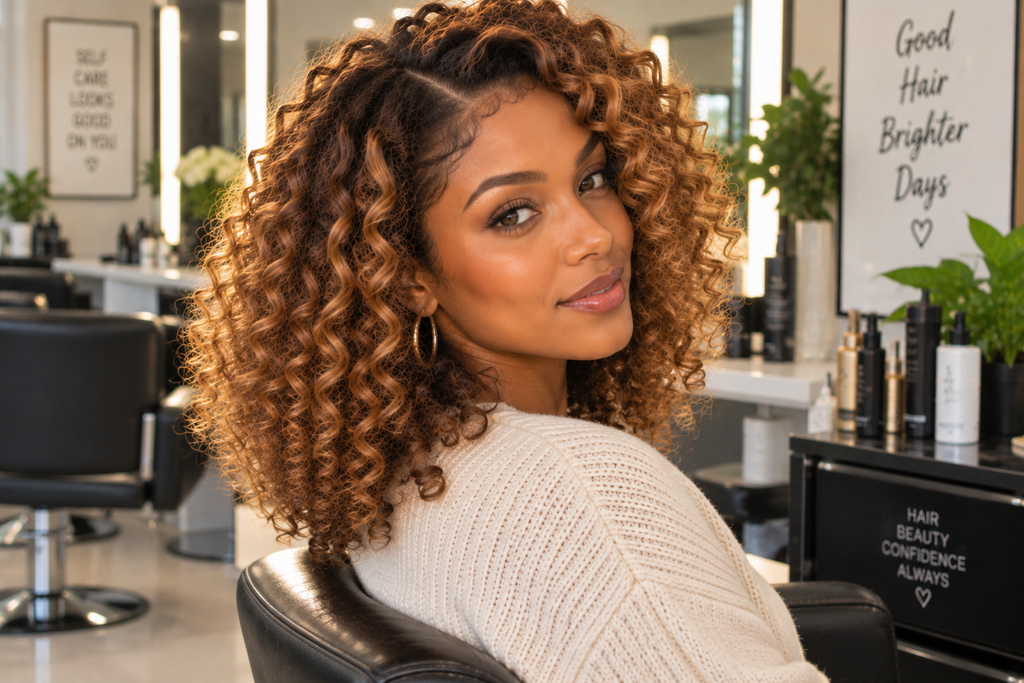
14. Deep Burgundy Coils
Deep burgundy leans darker and more purple-toned than a standard red, giving coily 4B to 4C hair a rich, jewel-like depth that reads as nearly black in low light and reveals its color in the sun. This full-color option requires more upkeep than brown-based shades since red and purple pigments fade faster. It tends to look especially vivid against deep brown skin tones.
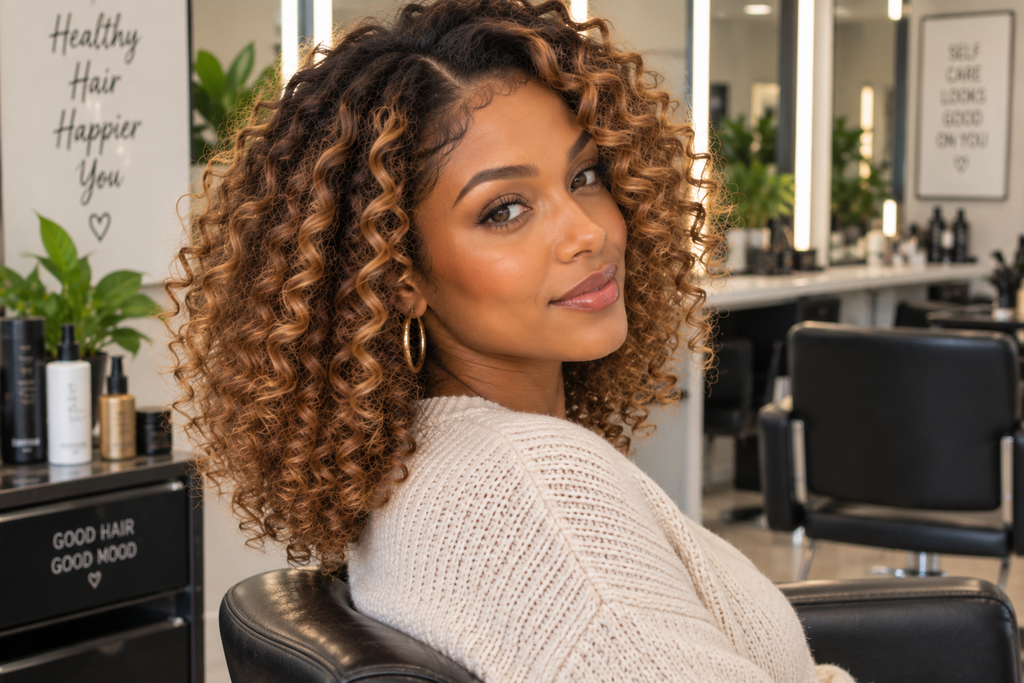
15. Golden Brown Face-Framing Highlights
This option keeps the base color natural and adds golden brown highlights only around the face, brightening the features without altering the rest of the hair. It is one of the more approachable choices for a first color appointment, since the commitment and maintenance stay low. This works across most curl patterns and lengths, from short 3B curls to longer 4A styles, and grows out with minimal visible line.
Comparison Table
| Hair Color Idea | Best For | Color Effect | Maintenance | Overall Look |
|---|---|---|---|---|
| Golden Honey Balayage | 3A-3C curls | Sun-warmed dimension | Low | Natural, hand-painted glow |
| Deep Espresso with Money Piece | 3C-4A curls | Single bright accent | Low | Bold contrast, subtle commitment |
| Copper Cinnamon Curls | 2C-3B curls | Warm reddish-brown | Medium | Spiced, autumnal tone |
| Chocolate Cherry Melt | 3B-4A curls | Brown fading to red | Medium | Dramatic color shift |
| Caramel Highlights on Coily Hair | 4B-4C hair | Fine woven highlights | Medium | Subtle dimension |
| Warm Chestnut Brown | 3A-3C curls | Reddish-neutral brown | Medium | Versatile, glowing brunette |
| Bronze Auburn Curls | 3B-4A curls | Metallic warm red | Medium-High | Striking, sunlit shimmer |
| Toffee Brown Balayage | 2B-3B curls | Gradual soft lightening | Low | Soft, gentle transition |
| Rich Mahogany | 4A-4C hair | Brown with red-purple depth | Medium | Deep, wine-toned richness |
| Honey Blonde Curls | 2C-3B curls | Full lift to blonde | High | Bright, sunlit transformation |
| Burnt Orange Copper | 3C-4A curls | Saturated bold copper | High | Vivid, statement color |
| Dark Chocolate with Subtle Highlights | All curl types | Barely-there dimension | Low | Understated depth |
| Caramel Root Melt | 3A-3C curls | Root-to-end warm blend | Low | Effortless, grown-out friendly |
| Deep Burgundy Coils | 4B-4C hair | Jewel-toned red-purple | Medium-High | Rich, dramatic in sunlight |
| Golden Brown Face-Framing Highlights | All curl types | Face-brightening accents | Low | Approachable, natural glow |
How to Choose the Right Option
Start with your natural hair color, since it determines how much lightening a shade will require. Warmer options like caramel or chestnut usually need less lift from dark brown or black hair than a full blonde transformation would.
Consider your curl pattern next. Looser curls (2B to 3B) tend to show gradual color melts and balayage clearly, while coily and tightly coiled textures (4A to 4C) often show highlights and full color best when placed strategically around the crown and face.
Factor in how much maintenance you’re willing to commit to. Root melts and face-framing highlights grow out gracefully, while bold reds, burgundies, and full lightening jobs need more frequent salon visits to stay vibrant.
Finally, decide between a subtle or bold transformation. If you’re unsure, a smaller highlight placement is easier to build on later than committing to a full-color change right away.
Hair Maintenance
Color-treated curls generally need more moisture than untreated hair, since the coloring process can leave the cuticle slightly more porous. A sulfate-free, color-safe shampoo paired with a rich conditioner helps maintain both the color and the curl pattern.
Heat protectant is worth using any time you diffuse or blow-dry colored curls, since color-treated hair tends to be more vulnerable to heat damage than natural, unprocessed strands.
If your color includes red, copper, or burgundy tones, expect faster fading than with brown-based shades, since warm and red pigments are typically less stable. A gloss or toner refresh every few weeks can help maintain vibrancy between full color appointments.
Sun and chlorine exposure can both shift color over time, so a UV-protectant leave-in and a clarifying rinse after swimming are reasonable precautions for lighter or warmer shades.
What to Ask Your Hairstylist
- What will this color look like over my current hair color and grow-out pattern?
- Will I need bleach, or can this be achieved with a gloss or demi-permanent color?
- How much maintenance should I expect, and how often will I need a touch-up?
- Can the highlight or color placement be customized for my specific curl pattern?
- How will this process affect the health and elasticity of my curls?
- Would balayage or a root melt give me a softer, lower-maintenance grow-out than full color?
- Will I need a toner or gloss to keep the tone from shifting?
Frequently Asked Questions
What hair colors tend to complement brown skin the most?
Warm tones like caramel, copper, honey, and chestnut often complement brown skin, since they tend to enhance warmth rather than compete with it. Cooler or ashier tones can also work well depending on your personal undertone, so it’s worth discussing your specific skin undertone with a colorist.
Is it harder to color curly hair than straight hair?
Not necessarily harder, but curly hair often requires different technique and placement considerations, since curls can hide or reveal highlights differently than straight strands. A stylist experienced with curly and textured hair will usually adjust placement to account for shrinkage and curl clumping.
Will coloring my curls damage my curl pattern?
Any chemical process carries some risk to curl elasticity, especially with bleach-heavy techniques. Choosing lower-lift options like glosses, root melts, or balayage tends to be gentler, and consistent moisture and protein care afterward helps maintain curl definition.
How often do I need to touch up my color?
This depends heavily on the shade and technique. Root melts, balayage, and face-framing highlights can go several months between visits, while all-over color, bold reds, and blondes typically need touch-ups every four to eight weeks.
Can I go from dark hair to a bold color like burgundy or copper in one session?
Sometimes, but it depends on your natural level and hair health. A colorist may recommend multiple sessions to protect your curls, especially if significant lightening is involved before the new tone is applied.
Final Verdict
There’s no single best hair color for curly hair on brown skin, since so much depends on your natural base color, curl pattern, and how much upkeep you want to take on. Warm shades like caramel, chestnut, and copper tend to be the most forgiving starting points, offering noticeable change without demanding constant salon visits. If you want something bolder, burgundy, bronze auburn, or a fuller copper transformation can look striking, but they come with more maintenance and sometimes more chemical processing.
Whatever you land on, a consultation with a stylist experienced in color and curly textures is worth the time before committing, especially if bleach or significant lightening is involved. Starting with highlights or a root melt is a reasonable way to test a direction before going bolder later.

One Comment